



A distracted driver can cause a serious collision in seconds, leaving injured motorists facing medical bills, lost income, and uncertain recovery. When another driver’s inattention causes a crash, you may have grounds to pursue compensation for your injuries.
Hite Law Firm Trial Lawyers represents people injured by negligent drivers in Abbeville and throughout South Carolina. Our car accident lawyers investigate the circumstances of a collision, identify available evidence, and pursue compensation for our clients.
If you or someone you love suffered injuries in a distracted driving accident, contact Hite Law Firm to discuss your legal options.
Injured by a Distracted Driver?
You shouldn't have to bear the financial consequences of another driver's inattention. Hite Law Firm investigates distracted driving accidents and fights for the compensation injured motorists deserve.
Get Help With Your CaseWhat Is Considered Distracted Driving in South Carolina?
Distracted driving occurs when an activity diverts a motorist’s attention from safely operating a vehicle. Distractions may involve taking your eyes off the road, removing your hands from the wheel, or losing mental focus.

Common examples include:
- Texting, checking notifications, or using mobile apps
- Holding a cellphone while driving
- Eating or drinking behind the wheel
- Adjusting navigation systems or vehicle controls
- Talking with passengers or tending to children
- Handling pets or reaching for objects inside the vehicle
These behaviors can delay a driver’s reaction to traffic signals, stopped vehicles, pedestrians, and changing road conditions.
South Carolina also places specific restrictions on electronic devices. Under the South Carolina Hands-Free and Distracted Driving Act, drivers generally cannot hold or support mobile electronic devices while operating a vehicle. The law also restricts texting, app interactions, and viewing videos, subject to specified exceptions.
However, not every distraction violates the hands-free statute. Drivers can still be negligent when other activities interfere with their ability to operate a vehicle safely.
When distraction contributes to a collision, establishing what the driver was doing becomes an important part of evaluating liability.
How Different Types of Driver Distraction Cause Accidents
Distracted driving involves more than using a cellphone. Some activities take a driver’s eyes off the road, while others interfere with physical control or concentration.
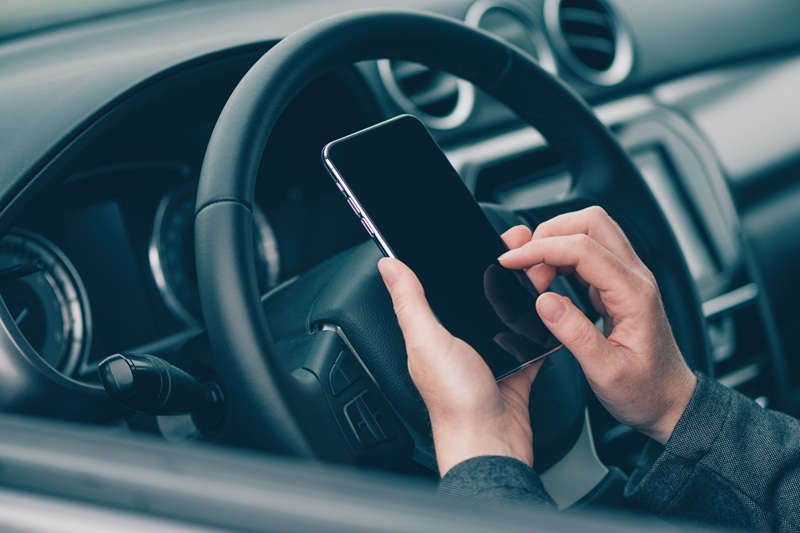
Most distractions fall into three categories:
- Visual distractions: Looking away from the road to check a navigation system, read a message, or observe roadside activity. Even a brief lapse in attention can prevent a driver from noticing stopped traffic or changing road conditions.
- Manual distractions: Taking one or both hands off the steering wheel to eat, reach for an object, or assist a passenger. These actions can interfere with a driver’s ability to respond quickly to unexpected hazards.
- Cognitive distractions: Losing focus because of an emotional conversation, stressful event, or other mentally demanding activity. A driver may look directly at the road without fully processing surrounding traffic conditions.
Some activities involve multiple forms of distraction. Texting, for example, can require a driver to look at a screen, use their hands, and divert attention from driving.
When a collision occurs, identifying the type of distraction can help establish how the driver’s behavior contributed to the crash. Hite Law Firm investigates these circumstances to determine whether negligence caused or contributed to a client’s injuries.
How Do You Prove Distracted Driving Caused an Accident?
Proving that another driver was distracted can be challenging, particularly when the driver denies using a phone or looking away.
Certain driving behaviors may suggest inattention, including:

- Sudden braking without an apparent reason
- Drifting between lanes or failing to maintain lane position
- Driving at inconsistent speeds
- Looking down or away from the road
- Running red lights or failing to notice stopped traffic
However, these behaviors do not automatically establish distracted driving. Other factors may explain what happened, making supporting evidence important.
Hite Law Firm investigates distracted driving claims by examining available evidence, which may include:
- Cellphone records: Records may help establish phone activity around the time of the collision.
- Dashcam and surveillance footage: Video may reveal the driver’s actions or vehicle movements before impact.
- Witness statements: Passengers, other motorists, or pedestrians may have observed the driver using a device or behaving inattentively.
- Police reports: Officer observations, statements, citations, and documented crash circumstances may help identify contributing factors.
- Vehicle and crash evidence: Damage patterns, electronic vehicle data, and accident reconstruction may help establish how the collision occurred.
Our attorneys evaluate this evidence to determine whether the driver’s inattention contributed to the accident. Establishing negligence also requires connecting that conduct to the injuries and damages suffered.
What Compensation Can You Recover After a Distracted Driving Accident?
A distracted driving accident can leave injured motorists facing medical expenses, lost income, property damage, and lasting physical limitations. The compensation available depends on the injuries, evidence, insurance coverage, and circumstances of the claim.
Potential damages may include:

- Medical expenses: Emergency treatment, hospitalization, rehabilitation, medications, and anticipated future medical care.
- Lost wages and earning capacity: Income lost during recovery and reduced ability to earn a living when injuries cause lasting limitations.
- Property damage: Vehicle repairs or replacement and other accident-related property losses.
- Pain and suffering: Physical pain, discomfort, and the effect of injuries on everyday activities.
- Emotional distress: Anxiety, psychological trauma, and other emotional consequences associated with the collision.
- Permanent injuries or disabilities: Long-term physical limitations, disfigurement, and changes to a person’s independence or quality of life.
Severe collisions may result in catastrophic injuries that require ongoing treatment and substantial lifestyle adjustments. Evaluating these claims involves considering both immediate losses and anticipated future needs.
South Carolina’s modified comparative negligence rules can also affect recovery. An injured person generally cannot recover damages if their share of fault exceeds 50%. When their fault is 50% or less, compensation is reduced according to their assigned percentage of responsibility.
Hite Law Firm evaluates the available evidence, identifies potentially responsible parties, and pursues compensation that reflects the client’s documented losses.
Why Choose Hite Law Firm for a Distracted Driving Accident Claim?
Distracted driving cases often involve disputed liability and evidence that may not be immediately available. Hite Law Firm Trial Lawyers understands the importance of investigating these claims and preparing them for potential litigation.

Our attorneys focus on identifying negligent conduct, evaluating the resulting injuries, and building claims supported by available evidence. We also recognize that clients need clear communication and practical guidance while recovering from a serious collision.
Learn more about Hite Law Firm and our approach to legal representation.
Proving Distraction Takes Evidence. We Know Where to Look.
A driver may deny texting, using a phone, or looking away before a crash. Our attorneys investigate the circumstances, identify available evidence, and work to establish liability.
Speak With Our AttorneysFrequently Asked Questions About Distracted Driving Accidents
How long do I have to file a distracted driving accident lawsuit in South Carolina?
South Carolina generally allows three years to file a personal injury lawsuit after a car accident. However, different deadlines or procedural requirements may apply depending on the circumstances.
Waiting can also make important evidence harder to obtain. Surveillance footage may be deleted, witnesses may become difficult to locate, and electronic records may no longer be available.
An attorney can evaluate the applicable filing deadline and identify evidence that needs to be preserved.
Can I sue a distracted driver who wasn’t texting?
Yes. Distracted driving claims are not limited to texting or cellphone use.
A driver may act negligently by adjusting navigation equipment, reaching for objects, or engaging in other activities that interfere with safe driving.
The central question is whether the driver’s conduct breached their duty of reasonable care and contributed to the collision. Evidence connecting the distraction to the crash is important when establishing liability.
What if the distracted driver denies using their phone?
A driver’s denial does not necessarily prevent an injured person from pursuing a claim.
Depending on the circumstances, cellphone records, witness statements, surveillance footage, and other evidence may help establish what happened before the collision.
Hite Law Firm investigates available evidence to determine whether distraction contributed to the crash and whether the driver may be held responsible.
Can I recover compensation if I was partially responsible for the accident?
Possibly. South Carolina follows a modified comparative negligence system.
An injured person may generally recover compensation when their share of fault is 50% or less. However, their damages are reduced by their assigned percentage of responsibility.
For example, someone found 20% responsible for a collision would generally receive 80% of their otherwise recoverable damages.
If their fault exceeds 50%, recovery is generally barred.
Speak With an Abbeville Distracted Driving Accident Lawyer
A distracted driving accident can leave you facing serious injuries, financial uncertainty, and questions about who is responsible. When the other driver denies being distracted, establishing what happened may require a detailed investigation.
Hite Law Firm Trial Lawyers represents injured motorists and families pursuing compensation after negligent driving accidents. Our attorneys evaluate the evidence, explain your legal options, and advocate for your interests throughout the claims process.
Your Recovery Matters. So Does Your Future.
Medical bills, lost income, and ongoing injuries can create lasting challenges after a collision. Hite Law Firm stands up for injured South Carolinians and pursues compensation that reflects their losses.
Schedule Your Consultation