



A traumatic brain injury may not always be obvious from the outside, but it can affect how you think, remember, communicate, and function in daily life. Some people recover significantly, while others experience cognitive, physical, or behavioral effects that continue long after the initial injury. At Hite Law Firm, we represent people across Abbeville, South Carolina, who are living with a brain injury caused by someone else’s negligence.
If you or a family member suffered a head or brain injury in an accident, our Abbeville traumatic brain injury lawyers can review what happened and explain what a claim like this may involve, starting with a free consultation. A diagnosis may not always come immediately, particularly when symptoms become more apparent as a person returns to work, school, or other everyday activities.
You Don't Need All the Answers Before You Call
A brain injury can leave you with questions about your health, your ability to work, and what recovery will look like. Tell us what happened, and Hite Law Firm can help you understand your legal options while you focus on your health.
Schedule a Free ConsultationHow Traumatic Brain Injuries Happen
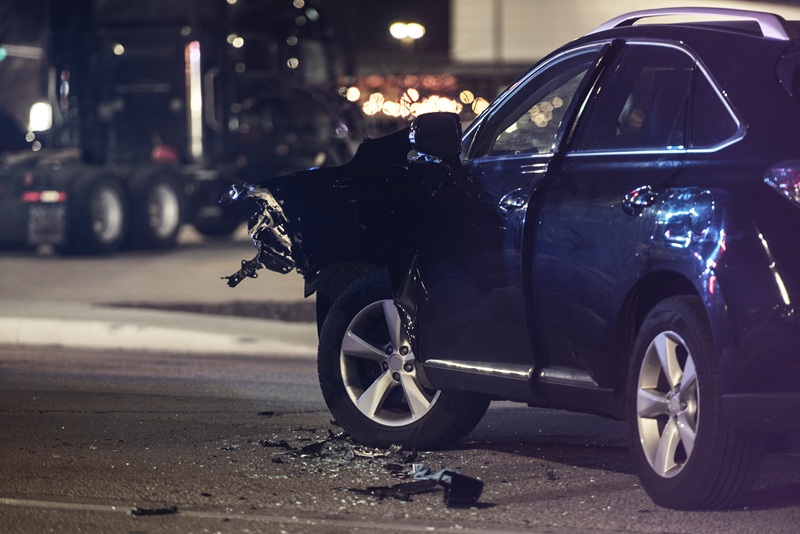
A direct blow to the head is not the only way a traumatic brain injury can occur. Rapid acceleration, deceleration, or rotation of the head can cause the brain to move within the skull and damage brain tissue. Depending on the circumstances, traumatic brain injuries may result from:
- Car, truck, and motorcycle accidents
- Falls covered by premises liability law
- Workplace accidents under workers’ compensation
- Defective helmets, vehicle safety systems, or other products covered by product liability law
- Sports and recreational accidents
A traumatic brain injury can occur alongside a spinal cord injury in a serious accident. When someone suffers multiple injuries, each condition and its effects need to be considered when documenting medical treatment, functional limitations, future needs, and other damages.
Falls are also a major cause of traumatic brain injuries nationally, particularly among older adults. When a fall occurs because of a dangerous property condition, factors such as a damaged stairway, inadequate lighting, or an unsafe walking surface may become relevant when determining whether a property owner or another party may be legally responsible.
Why an Invisible Injury Is Still a Real Injury

A normal CT scan or MRI does not necessarily rule out a traumatic brain injury, particularly a concussion or mild TBI. Standard imaging is useful for identifying problems such as bleeding, swelling, fractures, or other structural injuries, but some brain injuries do not produce abnormalities that are visible on conventional scans.
Symptoms such as memory problems, difficulty concentrating, headaches, changes in mood or behavior, and slowed thinking may instead be documented through ongoing medical care and evaluations of cognitive function. Depending on the symptoms and severity of the injury, neuropsychological testing may also help measure changes in memory, attention, processing speed, and other cognitive abilities.
Closed and Penetrating Brain Injuries
A traumatic brain injury may occur without the skull being penetrated. A closed brain injury can result from a blow to the head or rapid movement of the head and brain, potentially causing bruising, bleeding, or damage to brain tissue without an object entering the skull.
A penetrating brain injury occurs when an object passes through the skull and damages brain tissue. Both closed and penetrating injuries can cause serious or permanent impairment. The effects depend on factors such as the location and extent of the damage rather than the injury being classified as closed or penetrating alone.
How Doctors Grade Severity and Why It Matters to Your Case
Traumatic brain injuries are commonly classified as mild, moderate, or severe based on clinical findings that can include the Glasgow Coma Scale, duration of loss of consciousness, and post-traumatic amnesia. The Glasgow Coma Scale measures eye, verbal, and motor responses and is commonly used to assess a patient’s level of consciousness after an injury.
A medically classified “mild” TBI does not necessarily mean that its effects are insignificant. Some people experience persistent headaches, memory problems, difficulty concentrating, or other symptoms that interfere with work and daily activities. At the same time, an initial severity classification does not by itself establish someone’s long-term prognosis.
Ongoing treatment records, neurological findings, cognitive evaluations, rehabilitation records, and evidence of functional limitations can provide a more complete picture of how the injury affects a person’s life.
Who Can Be Held Liable for Your Brain Injury

Responsibility for a traumatic brain injury depends on how the injury occurred. Potentially responsible parties may include:
- Negligent drivers: A driver may be liable when speeding, distracted driving, impairment, or another negligent action causes a car crash and resulting brain injury.
- Property owners: A property owner may be responsible when a dangerous property condition contributes to a fall or other accident.
- Product manufacturers: A manufacturer may be liable when a defective product contributes to the accident or fails to provide the protection it was designed to provide.
- Trucking companies: When a commercial truck is involved, responsibility may extend beyond the driver. Depending on the circumstances, the company’s vehicle maintenance, hiring, supervision, or other safety responsibilities may become relevant.
- Negligent third parties in workplace accidents: An employee injured at work may be entitled to benefits through workers’ compensation. A separate personal injury claim may sometimes be available when someone other than the employer or a coworker contributed to the accident.
South Carolina follows a modified comparative negligence rule. An injured person may generally recover damages when their share of fault is not greater than the fault attributed to the defendant or defendants. Any award is reduced by the injured person’s percentage of fault. When responsibility is disputed, evidence from the accident scene, witness statements, photographs, video, vehicle records, and other sources may help establish what happened.
If a traumatic brain injury ultimately proves fatal, different legal considerations apply. Surviving family members may have a wrongful death claim against the responsible party.
A Brain Injury Can Affect More Than You Expect
Memory problems, headaches, difficulty concentrating, personality changes, and other symptoms can affect work, relationships, and everyday life. Our Abbeville TBI lawyers can look at the full impact of your injury when evaluating your claim.
Talk With a TBI LawyerWhy Your Long-Term Medical Prognosis Matters

A traumatic brain injury can be difficult to value while your condition and long-term prognosis are still developing. Maximum medical improvement, or MMI, generally refers to the point when a person’s condition has stabilized, and substantial further improvement is not expected. The timeline varies considerably depending on the severity of the injury, treatment, rehabilitation, and individual recovery.
With a brain injury, the full functional impact may also become clearer over time. Problems with memory, concentration, processing speed, mood, or other cognitive abilities may become more apparent as a person returns to work, school, household responsibilities, or other demanding activities.
Resolving a claim before your long-term medical needs are reasonably understood can create problems. Additional rehabilitation, neurological care, cognitive therapy, medication, assistance, or other treatment may be necessary as recovery progresses. Those anticipated needs should be considered when evaluating a settlement.
People with serious brain injuries may receive care from multiple providers and facilities as they move from emergency treatment through rehabilitation and follow-up care. Evaluating the claim requires looking at that broader treatment history and the medical evidence concerning future limitations and care needs.
The Effect a Brain Injury Can Have on Your Family

The effects of a traumatic brain injury can extend beyond the injured person. Changes in memory, concentration, mood, behavior, communication, and the ability to complete everyday tasks can affect relationships and responsibilities throughout the household.
Depending on the severity of the injury, a spouse, parent, or other family member may take on additional responsibilities. These can include helping with appointments, medications, transportation, finances, household tasks, or daily care. Family members may also be among the first people to recognize changes in personality, behavior, or cognitive function that are difficult to capture in a medical record.
A spouse may also have a loss-of-consortium claim when a serious injury affects the marital relationship. When applicable, those damages are considered separately from the injured person’s medical expenses, lost income, pain and suffering, and other losses.
What Can You Do if Your Child Suffers a Childhood Brain Injury?
Children’s brains are still developing, so a childhood brain injury can cause irreparable damage that can be difficult to measure. A TBI can interfere with a child’s education, potential future earning capacity, and enjoyment of life, which can warrant substantial compensation.
What a Traumatic Brain Injury Claim Is Worth
The value of a traumatic brain injury claim depends on the severity of the injury and how it affects the person’s health, work, independence, and daily life. Two people with the same initial diagnosis may have very different long-term limitations and financial losses.
Depending on the circumstances, compensation may account for:
- Emergency treatment, hospitalization, and neurological care
- Future medical treatment and medication
- Cognitive, physical, occupational, and other rehabilitation
- Home modifications, assistive equipment, or supervised care when needed
- Lost income and reduced future earning capacity
- Pain, suffering, and loss of enjoyment of life
- The long-term effect of cognitive, behavioral, or physical limitations
Brain injury damages can be particularly difficult to document when the most significant effects involve memory, concentration, communication, personality, or the ability to perform complex tasks. Medical records are important, but evidence showing how the injury affects work, relationships, independence, and everyday activities can also help establish the full extent of the losses.
The Deadline to File Your Claim

South Carolina generally gives an injured person three years to file a personal injury lawsuit under S.C. Code § 15-3-530. The applicable deadline can vary depending on the circumstances, however, and different tolling rules may apply when the injured person is a minor or legally disabled.
Missing the applicable statute of limitations can prevent an injured person from pursuing compensation through a lawsuit. Waiting can also make a traumatic brain injury claim more difficult to document. Medical records, witness observations, accident evidence, and documentation of changes in work or daily functioning can become particularly important when symptoms or limitations were not fully recognized immediately after the accident.
Why Choose Hite Law Firm for a Traumatic Brain Injury Case
Traumatic brain injury cases can be difficult to document because some of the most significant effects are cognitive, behavioral, or functional rather than immediately visible. Hite Law Firm has represented injured people in Abbeville County for more than four decades, and we build these cases around how the injury actually affects the individual.

Medical records are an important starting point, but they may not tell the entire story. Depending on the case, evidence from treating physicians, neurological specialists, neuropsychological testing, rehabilitation providers, or other qualified professionals may help document cognitive changes and long-term limitations. When an injury creates significant future care needs, life care planning or other expert evidence may also help establish the anticipated cost of treatment, therapy, assistance, and supervision.
We also look at how the injury has changed everyday life. Family members, coworkers, and others who knew the injured person before and after the accident may be able to describe changes in memory, behavior, communication, work performance, and independence that are difficult to capture in a medical chart.
When liability is disputed, we investigate how the injury occurred and who may be responsible. In a serious vehicle collision, for example, accident reconstruction or other evidence may help establish how the crash happened. We prepare serious brain injury cases with the possibility of trial in mind so the medical evidence, liability evidence, and damages are developed for both negotiations and court.

Get Help From an Abbeville Traumatic Brain Injury Lawyer
Hite Law Firm is located on Court Square, steps from the Abbeville County Courthouse. Since 1981, our attorneys have represented people throughout Abbeville County and the surrounding Lakelands region. We are not a statewide call-center firm. Our clients work with a local legal team. We take the time to understand your injuries and how your life has changed.
You do not need a complete set of medical records or even a final diagnosis before having the first conversation with our attorneys. If you or someone you love continues to experience cognitive, physical, or behavioral problems after an accident, we can listen to what happened and help you understand what steps may be appropriate.
If a traumatic brain injury was caused by someone else’s negligence, contact Hite Law Firm for a free, no-obligation consultation.
Let Us Help With What Comes Next
You and your family may still be learning what this injury means for the future. Hite Law Firm can handle the legal investigation, answer your questions, and help you pursue compensation for the ways the injury has changed your life.
Speak with Hite Law