



A spinal cord injury can change much more than your health. You may be dealing with changes in mobility, time away from work, ongoing medical care, and questions about how your family will manage needs that did not exist before the injury. When the long-term outlook is still uncertain, it can be difficult to know what decisions need to be made now and what can wait.
At Hite Law Firm, we represent people in Abbeville whose spinal cord injuries were caused by someone else’s negligence. Because these injuries can result in permanent disability and significant long-term needs, a spinal cord injury may also be considered a catastrophic injury when evaluating the full impact of a claim.
If you or someone you love is facing paralysis or another serious neurological impairment after an accident, our Abbeville spinal cord injury lawyers can help you understand what comes next and what compensation may be available. Your first consultation is free.
Your Injury Is More Than a Diagnosis
The level of a spinal cord injury can help describe the damage, but it does not show everything the injury has changed. Hite Law Firm looks at your mobility, independence, ability to work, daily needs, and long-term prognosis when building your claim.
Speak with Hite LawHow Do Spinal Cord Injuries Occur?
A spinal cord injury can result from an accident that causes significant trauma to the neck, back, or spine. When another person or company caused the accident through negligence, the injured person may have grounds to pursue compensation.
Common causes of spinal cord injuries include:

- Motor vehicle accidents: A serious car accident can cause spinal cord damage when the force of the collision injures the neck or back. These injuries can occur in rear-end crashes, intersection collisions, rollovers, and other high-impact accidents.
- Commercial truck accidents: The size and weight of tractor-trailers can contribute to severe injuries in a collision. Depending on what caused the crash, responsibility may extend beyond the truck driver to a trucking company or another party.
- Motorcycle accidents: Without the protection of an enclosed vehicle, motorcyclists can suffer significant spinal trauma when they are struck by a vehicle or thrown from the motorcycle.
- Pedestrian accidents: Being struck by a vehicle can expose a pedestrian to significant force, both from the vehicle itself and from a secondary impact with the roadway or another object.
- Workplace accidents: Falls, heavy equipment accidents, falling objects, and other workplace incidents can cause spinal cord injuries. Workers’ compensation may apply to a job-related injury, while some accidents may also support a separate claim against a negligent third party.
- Slip and fall accidents: Falls on stairs, from elevated surfaces, or because of dangerous property conditions can cause serious spinal injuries. A property owner may be liable when the evidence establishes that an unsafe condition and the owner’s negligence contributed to the accident.
Not every spinal cord injury results in a personal injury claim. Our Abbeville spinal cord injury lawyers can investigate how the accident occurred, determine who may be responsible, and explain which options for compensation apply to your situation.
Complete and Incomplete Spinal Cord Injuries
Not every spinal cord injury looks the same. The level and severity of the injury affect which parts of the body are involved, how much function is lost, and the potential for recovery over time.
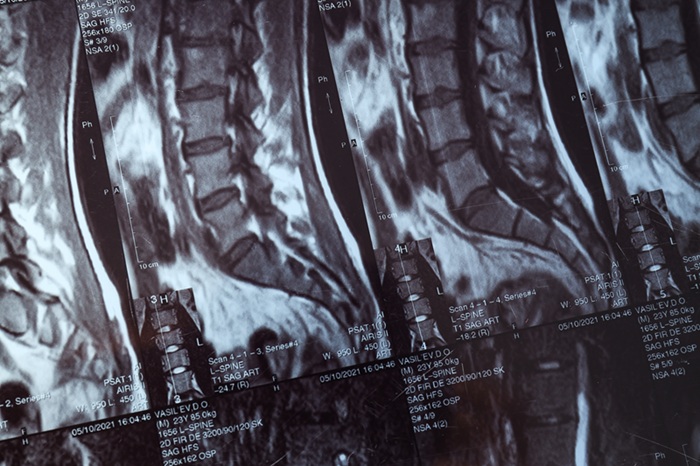
- Paraplegia: Impairment or loss of motor or sensory function in the lower part of the body, while arm function is generally preserved
- Tetraplegia (quadriplegia): Impairment or loss of function in the arms, trunk, legs, and pelvic organs following an injury to the cervical spinal cord
- Complete injury: No sensory or motor function is preserved in the lowest segments of the spinal cord
- Incomplete injury: Some sensory or motor function remains below the level of the injury, and the amount of preserved function can vary considerably
The National Spinal Cord Injury Statistical Center at the University of Alabama at Birmingham estimates that approximately 18,000 new traumatic spinal cord injury cases occur in the United States each year. The extent of recovery varies considerably based on the level and severity of the injury and other individual factors.
Types of Incomplete SCI
An incomplete spinal cord injury refers to an injury that allows the person to retain some function or feeling below the area where the damage occurred.
Types of incomplete spinal cord injuries include:
- Posterior cord syndrome: This occurs when there is damage to the rear spinal cord, and most survivors will maintain muscle tone, posture, and movement, making it an incomplete injury.
- Anterior cord syndrome: Damage impacting the front of the spinal cord may interfere with motor function and sensory pathways. It can affect temperature and pain signals, but many people recover some movement.
- Central cord syndrome: When an injury impacts the cervical spinal cord at the center, it can result in loss of sensation in the arms and legs. Recovery of arm movement is rare, but some people recover some movement in the legs.
- Cauda equina syndrome: Spinal compression at the lower level causes muscle weakness and loss of sensation. However, most people retain their movement ability, and repairing or regenerating some damaged nerves is possible to help improve function.
- Conus medullaris syndrome: This spinal cord injury has symptoms similar to the cauda equina syndrome, affecting reflexes in the lower limbs.
This is not a comprehensive list of injuries impacting the spinal cord, and many accident victims face more than one type of injury.
Why the ASIA Impairment Scale Matters to Your Case

Doctors and rehabilitation specialists use the ASIA Impairment Scale to describe the severity of a spinal cord injury. The scale ranges from A through E based on preserved sensory and motor function, with Grade A representing a complete injury and progressively more function preserved through the remaining classifications.
That classification can provide important evidence about the extent of an injury, but it is only part of the medical picture. Treatment records, neurological examinations, rehabilitation progress, functional limitations, and medical opinions about long-term prognosis may all help establish how the spinal cord injury affects your life and what care you may need in the future.
Secondary Complications After a Spinal Cord Injury
The effects of a spinal cord injury can extend well beyond the initial damage. Depending on the level and severity of the injury, complications can include pressure injuries, urinary tract infections, chronic pain, respiratory problems, muscle spasticity, and autonomic dysreflexia. Some complications may require additional treatment or hospitalization long after the original accident.
These ongoing medical needs matter when evaluating the long-term cost of a spinal cord injury. Medical records and expert opinions can help establish whether a complication is related to the original injury and what treatment may reasonably be necessary in the future.
A complete SCI is the most damaging, causing a total disturbance to the person’s life and often rendering them unable to work. With the help of a spinal cord injury attorney, you can fight for the financial security owed to you by the person who negligently or intentionally caused you harm.
How Are SCI Victims Impacted for the Long Term?
The most severe long-term impact of spinal cord injuries is permanent paralysis. However, many complications can arise in the aftermath, and some develop over time. For example, loss of bladder and bowel control can result from the brain’s inability to send signals to those areas of the body, and this can cause kidney infections, bladder stones, and deregulation of the bowels.
Other potential complications include:
- Pressure injuries caused by loss of sensation in the skin
- Circulatory problems, such as hypotension or swelling in the arms, legs, hands, and feet
- Increased risk of osteoporosis and bone fractures
- Ongoing or recurring muscle or joint pain
- Changes in sexual health for men and women
These issues can also impact an SCI victim’s mental and emotional health over time. For example, it is not uncommon for people with spinal cord injuries to suffer depression as they deal with changes their bodies undergo. Compensation should reflect these potential complications and how these injuries could impact a victim in the future. A lawyer at our firm can help you understand how to value those losses.
What Damages Can You Recover From a Spinal Cord Injury?
The court refers to the losses you incur from the accident and your injuries as damages. Recoverable compensatory damages are those you can prove are the direct result of the at-fault party’s conduct.
Given the severity of a spinal cord injury, the potential for substantial losses is high. While every case has unique circumstances, there are some common economic and non-economic damages for cases involving severe injuries.
Economic damages

The direct financial impact of your accident and injuries make up the economic damages. These can include:
- The cost of medical care, including emergency care expenses, hospital stays, doctor visits, surgeries, medications, rehabilitation, medical devices, and future care
- The loss of income for current and future missed work opportunities and loss of earning capacity
- The cost of repairing or replacing damaged property, which is common in auto accident cases
- The cost of replacement services, such as childcare, household help, and transportation to and from medical visits
- Any other out-of-pocket expenses related to your case
With the help of a spinal cord injury attorney, you can prove economic damages using written documentation, such as medical bills, pay stubs, tax returns, repair estimates, and other receipts.
Non-economic damages
Non-economic damages reflect the mental and emotional impact of your accident and injuries. A spinal cord injury affects more than your physical health. It can significantly interfere with your quality of life. Examples of recoverable non-economic losses include:
- The physical pain and suffering caused by your injuries and the care endured to treat your injuries
- The emotional pain and suffering
- Mental anguish, often manifesting as depression, anxiety, or post-traumatic stress disorder
- Losing your ability to enjoy life as you once did
Proving these losses is more challenging than proving economic damages. Your attorney may interview people in your daily life and ask you to keep a journal to document how your injuries impact your day-to-day experience. Doctors and mental health experts can testify to how a spinal cord injury can affect a person’s physical and psychological health.
An experienced spinal cord injury attorney may use different methods to assign a monetary value to non-economic damages. For example, the most common tactic is multiplying the total cost of medical expenses by a number between 1.5 and 5, with a higher number indicating more severe injuries. A spinal cord injury would likely qualify for a higher multiplier.
Who Can Be Held Liable for Your Spinal Cord Injury

Responsibility for a spinal cord injury depends on how the injury happened. A negligent driver, trucking company, property owner, or manufacturer may be responsible when their actions or failures contributed to the accident. In some cases, more than one party may share responsibility, making it important to identify everyone whose conduct contributed to the injury and all potential sources of compensation.
When a spinal cord injury occurs alongside a traumatic brain injury, both injuries need to be considered when documenting the person’s medical needs, limitations, and damages.
South Carolina follows a modified comparative negligence rule. An injured person may generally recover damages when their share of fault is not greater than the fault attributed to the defendant or defendants, although any award is reduced by the injured person’s percentage of fault. When responsibility is disputed, an independent investigation can help establish how the accident occurred and who may be legally responsible.
Make Sure the Full Impact of Your Injury Is Documented
Medical records tell part of the story. How your injury affects your work, family responsibilities, independence, and everyday activities can also matter when determining what your claim should account for.
Review Your CaseWhy Your Long-Term Medical Prognosis Matters

A spinal cord injury can be difficult to value while your condition and long-term prognosis are still developing. Maximum medical improvement, or MMI, is the point when a physician determines that your condition has stabilized and significant further improvement is not expected. With a serious spinal cord injury, reaching that point may take considerable time, particularly when additional surgery, rehabilitation, or other treatment is necessary.
Settling before your long-term medical needs are reasonably understood can create problems. Additional treatment, rehabilitation, permanent limitations, secondary complications, equipment, or assistance may become necessary as your recovery progresses. Those anticipated needs should be considered when evaluating any settlement.
People with serious spinal cord injuries may receive care from multiple providers or facilities as they move from emergency treatment through rehabilitation and long-term care. Evaluating the claim requires looking at that broader treatment history and the medical evidence concerning what care may be necessary in the future.
The Lifetime Cost of a Spinal Cord Injury
The lifetime cost of a spinal cord injury can reach millions of dollars, depending on the severity of the injury and the person’s age when it occurs. Data from the National Spinal Cord Injury Statistical Center shows that estimated lifetime costs vary substantially based on neurological impairment and age at injury. Those estimates include healthcare and living expenses but do not account for lost income.
A spinal cord injury claim may need to account for a wide range of current and future losses, including:
- Emergency treatment, surgery, and inpatient rehabilitation
- Ongoing medical care, medication, and therapy
- Home modifications and mobility equipment, such as ramps or a wheelchair-accessible vehicle
- Attendant or in-home care, when needed
- Lost income and reduced future earning capacity
- Pain, suffering, and the loss of independence associated with the injury
Because many of these expenses continue for years or decades, evaluating only the costs that have already been incurred can significantly underestimate the financial impact of a spinal cord injury. Mobility equipment may need to be repaired or replaced, homes and vehicles may require modifications, and care needs can change over time. Anticipating those future expenses is an important part of evaluating the claim.
The Deadline to File Your Claim

South Carolina generally gives an injured person three years to file a personal injury lawsuit under S.C. Code § 15-3-530. The applicable deadline can vary depending on the circumstances, however, and different tolling rules may apply when the injured person is a minor or legally disabled.
Missing the applicable statute of limitations can bar a person from pursuing compensation through a lawsuit. Acting earlier can also make it easier to preserve accident scene evidence, witness statements, medical documentation, and other information that may be important to the claim.
If a spinal cord injury ultimately proves fatal, different rules and deadlines may apply to a wrongful death claim, making it important to determine the applicable filing deadline based on the circumstances of the case.
Why Choose Hite Law Firm for a Spinal Cord Injury Case
A spinal cord injury claim requires an understanding of both what has already happened and what the injury may mean for your future. Hite Law Firm has represented injured people in Abbeville County for more than four decades, and we approach these cases with the preparation serious, long-term injuries require.
We build each case around the individual’s medical condition, limitations, and anticipated needs rather than relying on a standard formula. Depending on the circumstances, that may include working with treating physicians, independent medical specialists, life care planners, vocational experts, or other professionals who can help document your prognosis, future care needs, and ability to work.
When liability is disputed, we also investigate how the injury occurred and who may be responsible. In a vehicle collision, for example, accident reconstruction or other evidence may help establish how the crash happened. We prepare serious spinal cord injury cases with the possibility of trial in mind so the medical evidence, liability evidence, and damages are developed for both negotiations and court.
Throughout the process, we explain what is happening in plain language and keep you informed as the case develops. You should understand what evidence matters, what questions still need answers, and what the next stage of your case involves.

Get Help From an Abbeville Spinal Cord Injury Lawyer
Hite Law Firm has been located steps from the Abbeville County Courthouse on Court Square since 1981. Our attorneys have represented people throughout Abbeville County and the surrounding Lakelands region for more than four decades. We are not a statewide call-center firm, and your case will not be handled by someone unfamiliar with this community.
Every spinal cord injury affects a person’s life differently. We take the time to understand your medical condition, what daily life looks like now, and what treatment, assistance, or accommodations you may need in the years ahead.
We handle the legal and insurance issues so you can focus on your medical care and rehabilitation. If you or someone you love suffered a spinal cord injury because of someone else’s negligence, contact Hite Law Firm for a free, no-obligation consultation and learn what options may be available.
Plan for the Needs You May Have Years From Now
A spinal cord injury can create medical and financial needs that continue long after the initial recovery period. Our attorneys consider future treatment, equipment, assistance, lost earning capacity, and other long-term costs when evaluating your claim.
Schedule Your Consultation