



A commercial truck’s onboard computer often knows more about a crash than any witness at the scene. In the seconds before impact, it quietly records what the driver did. It also records how the truck responded. That record can confirm a driver’s account. It can also contradict it or fill in gaps no one else saw.
Most people hurt in a collision with a tractor-trailer have never heard of this system. By the time an attorney mentions it, the clock may already be running. Truck black box data does not last forever. Understanding what it captures, and how quickly it can vanish, often shapes the direction of a truck accident claim.

What a Truck’s Black Box Actually Records
The term “black box” is a bit of a misnomer. A truck’s recording system is not one rugged, indestructible unit like the recorders used in aviation. It is usually built into equipment the truck already carries for other purposes. Rarely does one single device do all the work.
Most commercial trucks run on an Engine Control Module, or ECM. This module manages engine performance and also stores an Event Data Recorder function. The ECM senses sudden changes, such as hard braking or a sharp deceleration. When this happens, it saves a short window of data around that moment. This is the closest match to what people picture when they hear the phrase truck black box.
Event Data Recorder (EDR)

An EDR does not capture audio or video. It logs mechanical facts. Speed, brake application timing, and throttle position all get recorded. Many systems also log steering input in the moments before and after a triggering event. Because this information comes from sensors rather than memory, it tends to hold up well as objective evidence.
Electronic Logging Device (ELD)
Federal rules under 49 CFR Part 395 require most commercial drivers to use an Electronic Logging Device. This device connects to the engine and automatically tracks hours behind the wheel. It creates a real-time record of driving time, on-duty time, and rest breaks. That record becomes critical when fatigue is a suspected factor in a crash.
GPS and Telematics Systems
Many fleets also run telematics platforms layered on top of the ECM and ELD. These systems can log location history and route deviations. Some flag hard-braking events for fleet managers, and a growing number include cab-facing or forward-facing camera footage. Where this technology exists, it often provides more detail than ECM data alone can match.
| Recording System | What It Typically Captures | Retention Risk |
|---|---|---|
| Event Data Recorder (EDR) | Speed, braking, throttle position, steering input, seatbelt and airbag status around a triggering event | Often overwritten by the next qualifying event; may not trigger at all in lower-speed crashes |
| Electronic Logging Device (ELD) | Hours of service, driving time, on-duty and rest periods | Federal floor of six months’ retention under 49 CFR 395.8(k) |
| GPS / Telematics | Location history, route deviations, flagged hard-braking events, sometimes dashcam footage | Varies by carrier and provider; no uniform federal retention requirement |
What This Data Can Reveal About Fault
The value of truck black box evidence comes down to one thing. It does not depend on memory or interpretation. A driver may genuinely believe they braked in time, but the data either confirms that or it does not.

Depending on which systems the truck carries, black box data can show:
- The truck’s exact speed in the seconds leading up to impact
- Whether and when the brakes were applied
- Whether cruise control was engaged at the time of the crash
- Steering angle changes suggesting an evasive maneuver, or the absence of one
- Whether the driver had exceeded federally mandated hours-of-service limits
- Seatbelt status and airbag deployment timing
Here is something most people never ask about. An EDR trigger threshold matters. Not every hard stop activates a recording event. Some systems only save data when a change in velocity crosses a specific threshold. A lower-speed collision might not generate a saved EDR file at all. The ELD and telematics records from the same truck often still do. Knowing which system to request matters. So does knowing which one likely captured the moment in question. A general claims adjuster rarely volunteers either answer.
Why This Evidence Disappears So Fast
This is the part that catches injured people off guard. Black box data does not sit in storage forever. Some systems are designed to overwrite themselves as new trips generate new data.
Federal recordkeeping rules show the problem clearly. Motor carriers must retain hours-of-service records and supporting documentation for six months from the date of receipt, under 49 CFR 395.8(k). Most states allow two to three years to file a personal injury lawsuit, though the exact deadline varies. That gap creates real risk. The driving record from the day of the crash can be legally deleted long before a claim is ever filed. That only changes if someone demands otherwise.
A few specific risks make this evidence especially fragile:
- ELD and hours-of-service records can be deleted once the six-month federal floor passes
- Some EDR systems only retain a single saved event, so a second hard-braking incident weeks later can overwrite the original file
- Dashcam and telematics footage often cycles out within days or weeks, depending on the provider’s storage policy
How This Evidence Supports a Truck Accident Claim
Carriers and their insurers move quickly after a serious crash. Investigators are often dispatched to the scene before the injured party leaves the hospital. Adjusters begin building a defense long before anyone files a claim. Preserving black box data on the injured party’s side usually starts with a spoliation letter. This is a formal written demand sent to the carrier and its insurer. It instructs them to preserve specific evidence. It also warns of consequences if that evidence is destroyed.

Once preserved, the data typically supports a truck accident claim in a few concrete ways:
- It corroborates or challenges the driver’s account of what happened
- It establishes a precise timeline that can be matched against witness statements and roadway evidence
- It can reveal an hours-of-service violation that strengthens a negligence argument against the carrier directly, not just the driver
- It gives an accident reconstruction expert a factual foundation instead of an estimate
None of this happens automatically. Retrieving EDR data generally requires the manufacturer’s proprietary download tool or a court order. The truck and its computer belong to the carrier, not the injured party. Sometimes the data points to a mechanical failure instead, such as a brake defect or a tire blowout. In that situation, the case may shift toward a product liability claim against the equipment manufacturer. A general practice attorney unfamiliar with commercial trucking can lose ground in those opening weeks without realizing it.
What Black Box Data Means for Truck Accident Compensation
Objective data changes the negotiating position in a claim. Insurers know that a favorable EDR or ELD record is hard to argue against. That often speeds up a fair settlement instead of a drawn-out dispute over conflicting accounts. When the data shows an hours-of-service violation or excessive speed, it can support claims against the trucking company itself. That access matters because commercial carriers must maintain far higher insurance limits than a standard personal auto policy.
Large trucks remain involved in a significant share of serious roadway collisions nationwide. National Safety Council analysis of federal crash data found 120,724 large trucks involved in crashes resulting in injury in 2024. That figure rose from the year before. Thousands more large trucks were involved in fatal crashes that same year. A fatal crash changes the legal picture. Black box data then often becomes central evidence in a wrongful death claim brought by surviving family members.
What to Do If You Suspect Black Box Data Matters to Your Case
Anyone hurt in a collision with a commercial truck should assume this data exists and will not wait around. A few practical steps apply no matter where the crash occurred:
- Get the truck’s DOT number and license plate if it is safe to do so
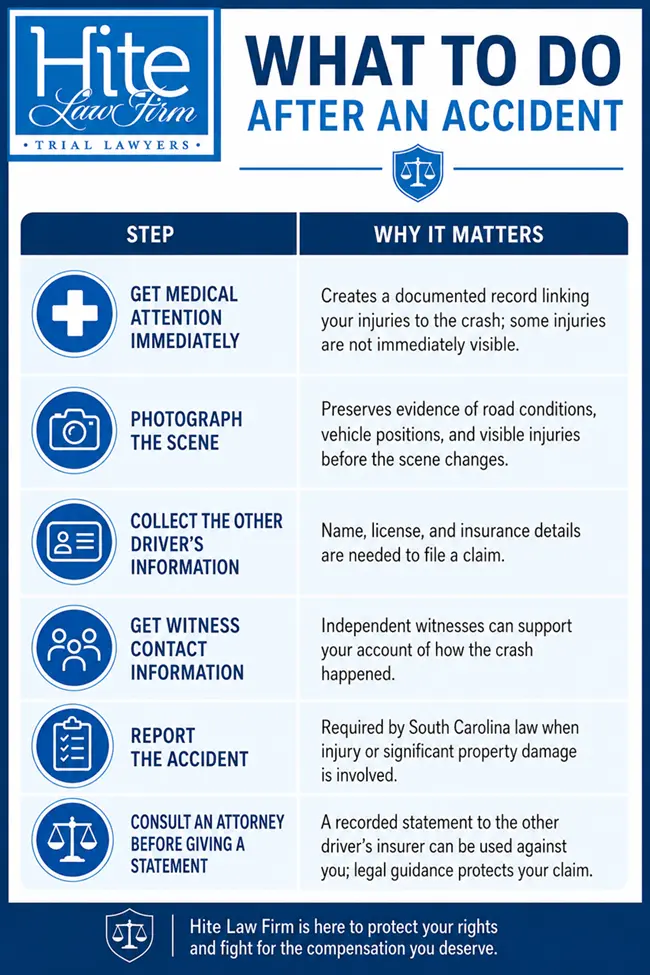
- Avoid giving a recorded statement to the carrier’s insurer before speaking with an attorney
- Treat the first days after a crash, not the first year, as the window that matters most
An attorney experienced in truck accident cases will typically send preservation demands within days of being retained. The retention clock does not pause for a hospital stay or an insurance phone call. This matters even more in cases involving catastrophic injuries. The full medical picture can take months to come into focus. So can the full value of the claim.
The Bottom Line on Truck Black Box Evidence
Black box data has quietly become one of the most reliable tools available in a serious trucking collision. It does not rely on memory, perception, or persuasion. It records what the truck did, not what someone later says the truck did. That distinction can be the difference between a contested claim and a resolved one.
The challenge is timing. This evidence has a shelf life measured in months, sometimes less. The legal process, measured in years, often assumes the evidence will still be there when needed. That mismatch is why preservation has to happen early. It often has to happen before a full picture of the injuries or damages comes into focus.
Anyone navigating the aftermath of a serious truck collision benefits from knowing three things. This data exists. It can show what actually happened. There may be very little time to secure it. Acting early protects those options. Once a recording overwrites itself or a retention period lapses, no amount of legal argument can bring it back.