


A drunk driver’s blood alcohol level starts dropping the moment police arrive. The evidence connecting them to the crash can fade fast, sometimes while the injured driver is still in the ambulance. This single detail changes how these accidents get handled compared to routine crashes. Knowing what to do when hit by a drunk driver gives an injured driver a real head start. That head start matters before an insurance adjuster starts asking questions. This guide covers the steps that count most in the hours and days that follow. It also flags a few details that catch people off guard.
What to Do Right After a Drunk Driver Hits You
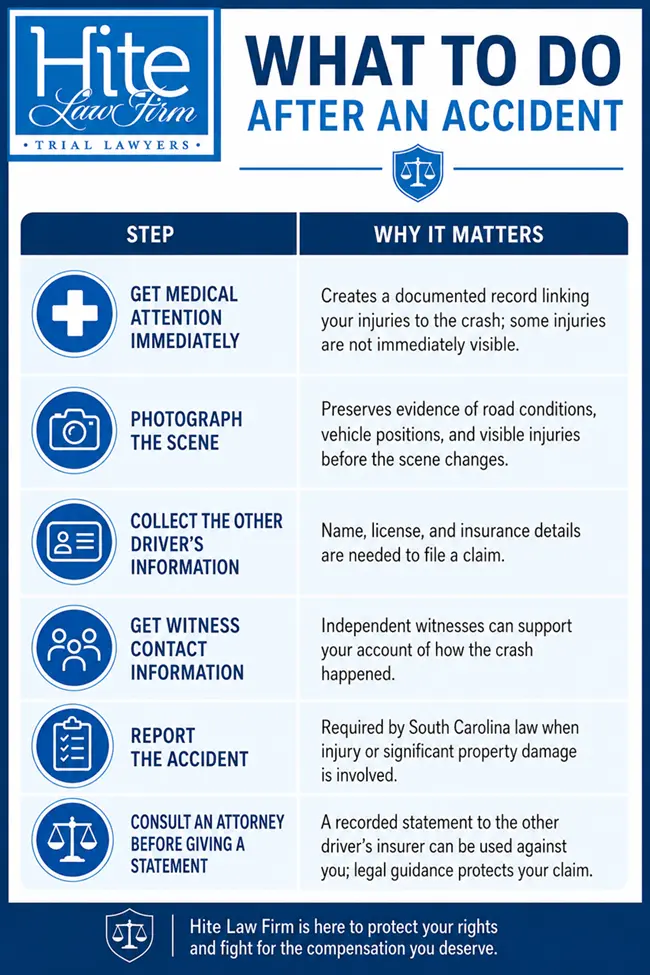
Safety comes first. Move to the shoulder or a nearby lot if the car still drives. Call 911 right away, even if the crash looks minor. South Carolina law requires drivers to stay at the scene after an injury accident. A driver can leave briefly, but only to get help or report the crash.
Once officers arrive, ask them to document any signs of impairment. Slurred speech and the smell of alcohol both count as evidence. So does an open container found in the other car. An officer who suspects impairment may run field sobriety tests on the spot. A breath test at the scene is common too.
A few small steps make a real difference later. Before anyone leaves the scene:
- Photograph both vehicles, the road, and any visible injuries
- Collect names and phone numbers from witnesses nearby
- Write down the responding officer’s name and badge number
- Ask how to request a copy of the accident report
What Happens If a Drunk Driver Hits Your Car
What happens if a drunk driver hits your car often looks different from a routine crash report. Officers frequently note erratic driving beforehand. That might include swerving or running a red light. Braking late right before impact is common too. Those details can matter later, since they often support a claim for punitive damages, which punish reckless conduct instead of simply covering losses. A drunk driving crash still counts as a car accident under state law, but the added evidence of impairment often changes how it gets investigated.
South Carolina’s own highway safety data reveal something stubborn. Alcohol-impaired fatalities rose even in years when overall traffic deaths fell. Fault is rarely disputed once a breath test confirms intoxication. An insurer may still fight over the severity of the injuries or the value of the claim.
Documenting a Drunk Driving Accident Scene
What to Photograph After a Drunk Driving Accident
Good documentation protects a claim long before an attorney gets involved. Photos taken at the scene carry more weight than photos taken days later. Insurers can argue that later damage came from something else. Aim to capture:
- Vehicle damage from several angles
- License plates of every vehicle involved
- Road conditions, traffic signals, and any skid marks
- Visible injuries, photographed as soon as it’s safe to do so
Keep every piece of paper connected to the crash. Tow receipts and repair estimates become useful later. So does the accident report number.
Medical Care After a Drunk Driving Accident
Get checked by a doctor even if nothing feels wrong right away. Adrenaline can mask pain for hours. Whiplash and concussions often surface a day or two later. Soft tissue injuries can take even longer to show up, and some crashes leave behind catastrophic injuries that reshape daily life for years. Follow through on every recommended appointment. Keep copies of every record and bill. Gaps in treatment give an insurer room to argue the injury wasn’t serious.
Can You Report a Drunk Driver After the Fact
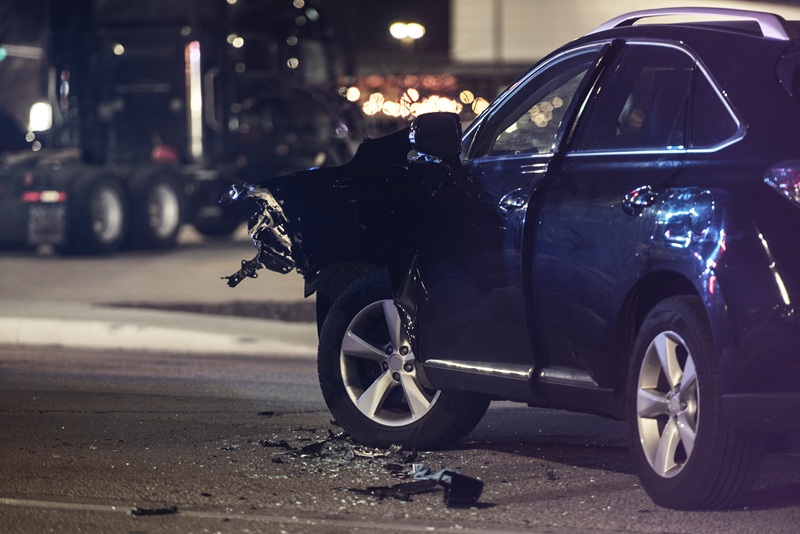
Yes. A driver who didn’t call police at the scene can still file a report later. So can someone who only learned afterward that the other driver was drunk. Can you report a drunk driver after the fact is a common question after a crash like this. Local police can take that report. So can a county sheriff or the state Highway Patrol.
South Carolina law even plans for cases where the driver can’t report right away. A five-day reporting rule covers this exact situation. A passenger must file the report if the driver can’t. Otherwise, the vehicle’s owner has five days once they learn of the crash. There’s no strict deadline for that initial police report. Waiting still makes it harder to find witnesses or footage before it disappears.
Filing a personal injury claim works differently. A three-year deadline applies to most crash injury claims in South Carolina. Missing that window can end a strong claim. It doesn’t matter how clear the other driver’s fault was.
How Insurers Handle Drunk Driving Claims
Insurance companies rarely dispute who caused the crash once intoxication is confirmed. Instead, they focus on the injuries themselves. They may question the severity of the injury, point to a prior condition, or argue that the injured driver shares part of the fault. South Carolina follows a comparative negligence rule, so even a small share of assigned fault can shrink a settlement. Understanding what to do when hit by a drunk driver means understanding how insurers think, not just how officers respond. Giving a recorded statement too early can create problems later. Wait until treatment wraps up and an attorney reviews the file first.
Compensation After a Drunk Driving Accident
Types of Damages in a Drunk Driving Claim
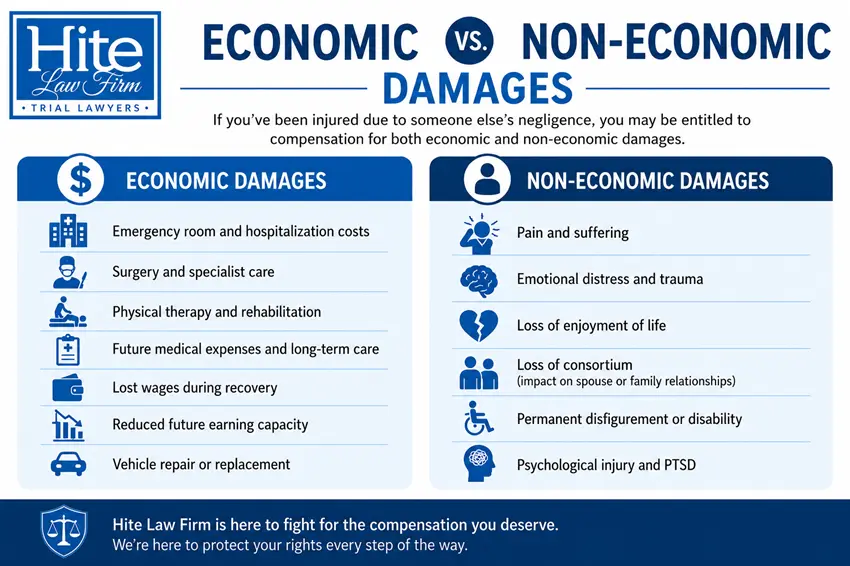
Economic damages cover costs with a clear dollar figure. Medical bills and lost wages fall into this group. So does property damage. Non-economic damages cover harder-to-price losses. Pain and suffering count here. So do anxiety and the loss of everyday activities.
Many injured drivers pursue compensation for more than medical bills. A drunk driving accident claim often accounts for lost future earnings too.
Punitive damages sit in a different category. They usually require proof of the driver’s blood alcohol level or a DUI conviction. Requesting the toxicology results and case file early can pay off. That evidence gets harder to reach once the criminal case closes.
Getting Legal Help After a Drunk Driving Accident
A criminal DUI case and a civil injury claim run on separate tracks. They follow different rules and different timelines. An injured driver doesn’t have to wait for the criminal case to end, though its outcome can sometimes strengthen a civil claim. Families facing a fatal crash have their own path through wrongful death law, separate from a typical injury claim. Anyone unsure how the two cases connect should get those questions answered early. The same goes for anyone facing an early settlement offer.
Moving Forward After a Drunk Driver Hits You
Getting hit by a drunk driver upends more than a car and a schedule. It brings medical appointments and insurance calls into a life that didn’t ask for them. Paperwork piles up while the injured person is still processing what happened. Moving through that process with a clear head helps. Good documentation, kept from the start, makes every later step easier.
| South Carolina Drunk Driving Snapshot | Detail |
|---|---|
| Duty to stop and report | Drivers must remain at the scene of an injury accident and report it to police (S.C. Code Section 56-5-1210) |
| If the driver can’t report | A passenger must report, or the vehicle owner must report within 5 days of learning of the crash (S.C. Code Section 56-5-1280) |
| Deadline to file a lawsuit | 3 years from the date of the crash (S.C. Code Section 15-3-530) |
| Legal BAC limit in South Carolina | 0.08% |
| Statewide trend | Alcohol-impaired fatalities have risen in years when overall traffic deaths declined |
Anyone recovering from a crash like this deserves a clear picture of their options, along with a team that treats their situation with care. A free case review is a good place to start that conversation.