



An injury on someone else’s property can happen in a second, but the consequences can last for months or years. Broken bones, head injuries, torn ligaments, and the mounting costs of medical care and missed work are real. What is also real is that property owners in South Carolina have a legal duty to keep their premises reasonably safe. When they fail that duty, and someone gets hurt, they can be held accountable.
If you were hurt in a slip and fall accident at a Greenwood business, parking lot, apartment complex, or any other property, you may have a valid liability claim. Our Greenwood slip and fall lawyers at Hite Law Firm have represented injured people throughout this region for more than 40 years. We are top-rated personal injury lawyers whom clients consistently recommend for our commitment to results. We know how these cases are built and how property owners and their insurers try to defeat them.
Tell us where and how your accident happened. Your case review is free.
Premises Liability and Property Owner Duty in SC
Liability in slip and fall claims is governed by premises liability law in South Carolina. SC Code § 15-73-10 establishes that property owners owe a duty of care to lawful visitors. The scope of that duty depends on why the person was on the property. A Greenwood premises liability lawyer can evaluate your specific situation and tell you which standard applies.
Most people hurt in these accidents at Greenwood businesses, stores, restaurants, and commercial properties are classified as invitees. That is the highest protection the law provides. It means the property owner must regularly inspect the premises, fix known hazards, and warn visitors about dangers they know about or should know about through reasonable inspection. When an owner fails that standard and a visitor is hurt, the owner bears legal responsibility for the resulting harm.
What You Have to Prove to Win
To recover compensation after a slip and fall accident in Greenwood, your attorney must establish four elements. First, the property owner owed you a duty of care based on your status as a visitor. Second, the owner breached that duty by allowing a dangerous condition to exist without repairing it or warning about it. Third, that dangerous condition directly caused your injury. Fourth, you suffered measurable losses as a result.
One of the central legal questions in any fall claim is whether the owner had notice of the hazard. Actual notice means the owner knew about it directly. Constructive notice means the condition existed long enough that a reasonable owner should have discovered it. If a wet floor in a Greenwood grocery store had been sitting for 40 minutes without being cleaned or marked, the owner likely had constructive notice. You do not have to prove they saw it. You have to prove they should have. When your case involves constructive notice, documentary evidence of how long the hazard existed is often decisive. Our slip and fall injury attorneys can help you file and document your matter before that evidence disappears.
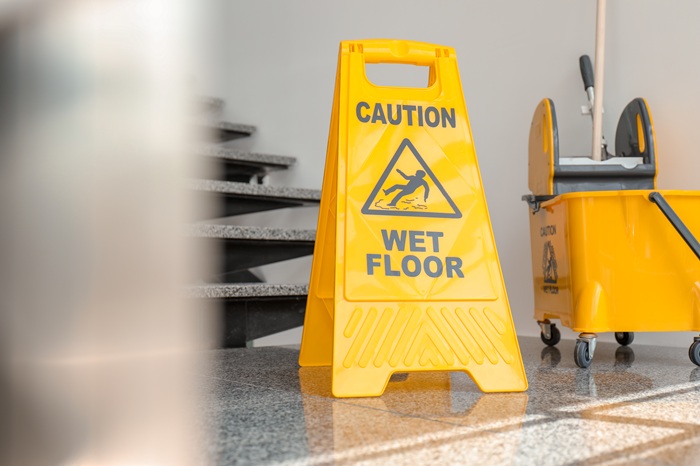
Where Fall Accident Victims Are Hurt in Greenwood
These accidents happen in every type of location. Our lawyers have represented clients hurt at retail stores, restaurants, hotels, apartment complexes, office buildings, parking lots, and private homes throughout the Greenwood area. Common locations include the commercial corridors along Montague Avenue and Highway 72, shopping centers near the Greenwood bypass, parking areas at medical facilities, including Self Regional Healthcare on Spring Street, and the stairwells and walkways of multi-family rental properties throughout the county.
The type of property and the reason you were there affect which legal standard applies. A customer at a store receives stronger protections than a social guest at a private home. But in both situations, a personal injury lawyer at our law office can evaluate the facts and tell you honestly whether you have a viable case.
Common Causes of Slip and Fall Injuries in Greenwood
Every slip and fall matter turns on what specific condition caused the injury and whether the property owner knew or should have known about it. Common causes include:
- Wet or slippery floors from spills, cleaning, rain tracked in from outside, or plumbing leaks
- Uneven, cracked, or damaged flooring, pavement, or sidewalks
- Frayed, torn, or bunched carpeting or floor mats
- Cluttered aisles, misplaced merchandise, or objects left in walkways
- Inadequate lighting in stairwells, hallways, parking lots, or building entrances
- Broken or missing handrails on stairs, ramps, or elevated walkways
- Unmarked level changes or unexpected steps
- Icy or wet exterior surfaces that were not treated, salted, or marked
- Elevator and escalator malfunctions
- Defective or unstable furniture, fixtures, or display equipment
These accidents account for more than one million emergency room visits in the United States each year, and roughly one in five results in a serious injury such as a broken bone or head injury. In South Carolina, only about five percent of these cases actually proceed to trial. The vast majority are resolved through negotiation, which means the quality of the evidence and the strength of the legal argument directly shape what victims recover. An experienced slip and fall injury lawyer is often what makes the difference.
How Insurers Fight These Claims in Greenwood
Property owners and their insurance carriers do not simply accept responsibility after an injury on their premises. They raise specific legal defenses to shift blame or reduce what they pay. The three most common are open and obvious danger, comparative negligence, and assumption of risk.
Open and Obvious: A Slip and Fall Lawyer’s Response
The insurer argues the hazard was visible and a reasonable person would have avoided it. South Carolina law, however, still requires property owners to fix unreasonable risks even when they are visible. An owner cannot simply leave a dangerous condition in place and claim immunity because it could be seen. Our Greenwood slip and fall attorneys challenge this defense by showing the owner had a duty to remedy the condition regardless of its visibility. Our injury lawyers handle these arguments regularly.
Comparative Negligence and the Fall Lawyer’s Role
Under South Carolina’s modified comparative negligence rule, if you are found 51% or more at fault for your accident, you cannot recover at all. Below that threshold, your recovery is reduced by your percentage of responsibility. Insurers routinely argue that the injured person was distracted, wearing inappropriate footwear, or not paying attention. Our slip and fall attorneys counter those arguments with evidence that the property owner’s failure to maintain a safe environment was the actual cause of the injury.
Assumption of Risk
This defense argues you voluntarily entered a space knowing a danger existed. It arises most often in recreational settings or areas with posted warnings. Even where it applies, it does not automatically defeat your matter. An owner still had a duty to take reasonable steps to reduce the risk, and our attorneys argue exactly that.
Greenwood Slip and Fall Evidence: Act Fast
One of the most consequential differences between a strong injury case and a weak one is how quickly the attorney acts to preserve evidence. Most commercial businesses in Greenwood retain surveillance footage for only a short period before it is overwritten, often as little as 30 days. That footage can show exactly how long a hazard existed before the fall accident, whether employees walked past it without addressing it, and whether any warning was ever placed.
Incident reports, maintenance logs, prior complaint records, and inspection schedules are also relevant and subject to being lost or altered if no one demands preservation quickly. Our personal injury lawyers send evidence preservation demands as soon as a new premises liability matter comes in. That early action is often what separates a case with documentary proof from one that comes down to competing accounts of what happened.
What Compensation Is Available After a Slip and Fall
State law allows injured people to pursue both economic and non-economic damages from the property owner and any other liable parties. These recoveries are available to victims of all types of premises accidents.
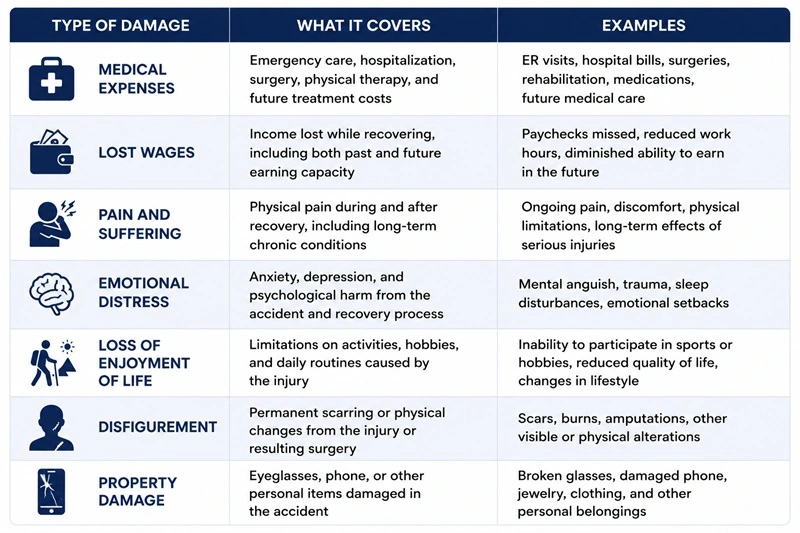
A common reason injured people recover less than they deserve is accepting an early settlement before understanding the full scope of their future medical needs. Once you sign a release, you cannot reopen the matter even if your condition worsens. Our lawyers review every offer against the documented value of your losses before recommending whether to accept or continue negotiating.
Can You Sue If the Property Owner Is Someone You Know?
Many people hesitate to pursue an injury matter when the property belongs to a friend, neighbor, or family member. In most situations, these accidents are covered by the owner’s homeowners or commercial property insurance, not paid out of the person’s own pocket. Filing is a request for the insurance carrier to cover losses that the policy exists to cover. It is not a personal action against someone you know. Our lawyers handle these situations with discretion, and many are resolved through insurance with no courtroom involvement at all.
For slip and fall accidents that occurred in a workplace setting, workers’ compensation may apply alongside or instead of a premises liability matter. Our workers’ compensation attorneys handle that intersection and can advise you on which path, or both, is available in your situation. Contact us, and we will walk you through what applies to your facts.
Steps to Take After a Slip and Fall Incident
What you do in the hours and days after an injury on someone else’s property matters significantly for your ability to recover compensation.
- Report the incident to the property owner or manager right away. Ask for a written incident report and get a copy. If one is not offered, document in writing that you reported it and to whom.
- Get medical care immediately. Self Regional Healthcare on Spring Street is the primary emergency facility for Greenwood County. Go there or to a nearby clinic even if your injuries do not feel severe at first. Many serious conditions, including head injuries and internal damage, are not immediately apparent. A gap in medical care gives insurers an argument that your injuries are not serious.
- Photograph everything before leaving the scene. Take photos of the exact location of the accident, the condition that caused the injury, your footwear, your visible injuries, and the surrounding area, including lighting and warning signs or the absence of them.
- Collect witness information. Anyone who saw what happened or was aware of the hazard beforehand can support your account. Names and phone numbers are enough.
- Do not give a recorded statement to the property owner’s insurer. Adjusters are trained to use your words against you. Speak with an attorney before making any statement to the other side.
- Contact a Greenwood slip and fall attorney promptly. South Carolina’s statute of limitations gives most injured people three years to file under S.C. Code § 15-3-530. Government-owned property may have shorter deadlines. Acting early preserves evidence and strengthens your position.

Serving Greenwood and the Surrounding Area
Hite Law Firm has represented injured people in Greenwood and throughout the Lakelands region for more than 40 years. Our Greenwood slip and fall lawyers handle premises liability accidents on a contingency fee basis. There are no upfront costs and no hourly fees. We collect nothing unless we recover compensation for you. Consultations are available by phone, by video, in person, or at a location that works for you.
If your slip and fall caused a serious injury such as a traumatic brain injury, spinal cord damage, or a severe fracture, our catastrophic injury attorneys handle the long-term legal and financial strategy those cases require. And if an injury in a nursing home or assisted living facility contributed to your loved one’s decline, our nursing home abuse attorneys handle those cases separately from standard premises liability matters.