



Trusting a doctor or hospital with your care should not leave you with an injury that could have been prevented. At Hite Law Firm, we represent people across Laurens, South Carolina, who were harmed when a healthcare provider failed to meet the applicable standard of care.
Not every bad medical outcome is malpractice. Complications can occur even when appropriate care is provided. But if something about your treatment does not add up, our Laurens medical malpractice lawyers can review what happened and help you understand whether you may have a claim, starting with a free consultation. Medical malpractice is one part of the personal injury work we handle for people across Laurens County, and these claims come with procedural requirements that do not apply to most general injury cases.
When Medical Care Leaves You With More Questions Than Answers
A bad outcome does not automatically mean malpractice, but you deserve to understand what happened. Hite Law Firm can review the circumstances and help determine whether the care you received may warrant further investigation.
Discuss Your SituationTypes of Medical Malpractice Claims We Handle

Medical malpractice can involve physicians, nurses, surgeons, anesthesiologists, and other healthcare professionals who fail to meet the applicable standard of care. Hospitals and other healthcare facilities may also be responsible in some circumstances. Medical malpractice claims can involve:
- Failure to diagnose or a delayed diagnosis of a serious condition
- Surgical errors, including wrong-site surgery or leaving a surgical object inside a patient
- Medication errors, such as administering the wrong medication or dosage
- Misdiagnosis that results in unnecessary, delayed, or inappropriate treatment
- Failure to appropriately treat a known condition or follow up on abnormal test results
- Birth injuries involving failures to recognize or appropriately respond to complications during pregnancy, labor, delivery, or newborn care
Diagnostic errors can have particularly serious consequences. Research from the Johns Hopkins Armstrong Institute Center for Diagnostic Excellence estimated that diagnostic errors contribute to approximately 795,000 deaths or cases of permanent disability in the United States each year. The researchers identified stroke, sepsis, pneumonia, venous thromboembolism, and lung cancer among the conditions associated with the greatest number of serious diagnostic harms.
Injuries Caused by Medical Malpractice
Medical malpractice can cause a new injury, make an existing condition worse, or allow an illness to progress because appropriate treatment was delayed. The resulting harm depends on the type of medical error and the patient’s underlying condition.
Some medical malpractice injuries can include:
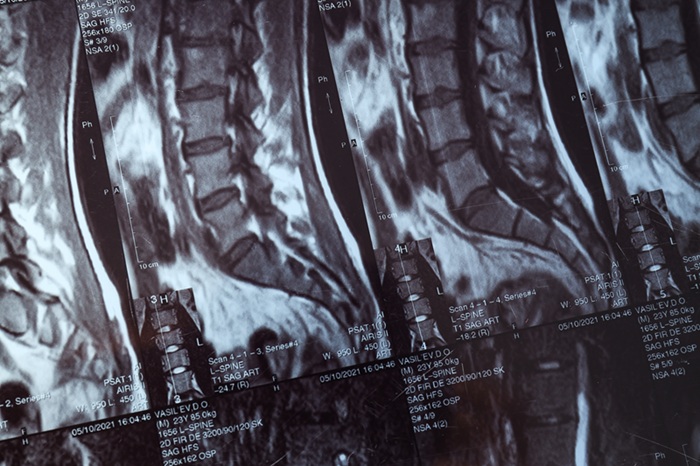
- Brain injuries: Oxygen deprivation, anesthesia complications, untreated strokes, and other medical errors can cause temporary or permanent neurological damage.
- Nerve damage: Surgical mistakes, positioning injuries, delayed treatment, and other complications can damage nerves and cause weakness, numbness, chronic pain, or loss of function.
- Organ damage: Medication errors, surgical complications, infections, and delayed diagnoses can result in damage to the kidneys, liver, heart, lungs, or other organs.
- Infections and sepsis: Failure to recognize or appropriately respond to an infection can allow it to worsen and, in severe cases, progress to sepsis or organ dysfunction.
- Surgical injuries: Errors during surgery can cause internal bleeding, organ or tissue damage, nerve injuries, or additional procedures to correct the resulting harm.
- Birth injuries: Errors during pregnancy, labor, delivery, or newborn care can contribute to brain injuries, nerve damage, and other serious conditions affecting a child.
- Progression of an undiagnosed condition: A delayed or missed diagnosis can allow cancer, stroke, infection, or another serious condition to progress before appropriate treatment begins.
- Permanent disability or loss of function: Severe medical injuries can affect mobility, cognition, communication, the ability to work, or a person’s independence.
- Death: When medical negligence contributes to a patient’s death, the appropriate representative may be able to pursue a wrongful death claim.
The presence of one of these injuries does not by itself establish medical malpractice. A claim still requires evidence connecting the injury to a healthcare provider’s failure to meet the applicable standard of care.
Proving Medical Negligence in Your Case
A medical malpractice claim in South Carolina requires more than showing that treatment had a poor outcome. Generally, the evidence must establish the applicable standard of care, show that the healthcare provider failed to meet that standard, and connect that failure to the patient’s injury and resulting damages.

A bad outcome by itself does not establish malpractice. Medicine involves uncertainty, and complications can occur even when a healthcare provider delivers appropriate care. The question is whether the provider’s actions or omissions fell below the applicable standard of care and caused harm that resulted from that failure.
The answer often depends on details in the medical record. An overlooked test result, failure to appropriately investigate concerning symptoms, delay in treatment, or another departure from the standard of care may become important when determining whether malpractice occurred. Qualified medical expert testimony is generally necessary to establish the applicable standard of care and explain how the provider’s actions caused the injury.
Why the Expert Affidavit Requirement Matters
South Carolina has an additional expert requirement before most medical malpractice lawsuits can proceed. Under state law, a claimant generally must file a Notice of Intent to File Suit and contemporaneously file an affidavit from a qualified expert identifying at least one negligent act or omission and the factual basis for that opinion.
Not every healthcare professional is qualified to provide the required opinion in every case. South Carolina law establishes specific requirements for experts who testify about a defendant’s standard of care. Depending on the circumstances, those requirements can involve the expert’s professional knowledge, training, experience, area of practice, and familiarity with the applicable standard of care.
Choosing an appropriately qualified expert is therefore an important early step in a medical malpractice claim. The expert must be able to evaluate the care at issue and provide an opinion that addresses the alleged negligence rather than simply stating that the patient experienced a poor outcome.
Medical Malpractice Cases Require More Than a Bad Outcome
The question is whether a healthcare provider failed to meet the applicable standard of care and whether that failure caused your injury. We can help you determine what evidence is needed to answer those questions.
Schedule Your ConsultationSouth Carolina’s Pre-Suit Requirements
South Carolina requires several steps before a medical malpractice lawsuit can proceed. These requirements are different from those that apply to most general personal injury claims:
- File a Notice of Intent to File Suit. Before filing a medical malpractice complaint, a claimant generally must file a Notice of Intent to File Suit under S.C. Code § 15-79-125 and serve it on the healthcare providers who may be named as defendants.
- Include a supporting expert affidavit. The Notice generally must be filed with an affidavit from a qualified expert identifying at least one negligent act or omission and the factual basis for that opinion.
- Participate in pre-suit discovery and mediation. The parties may conduct limited discovery during the pre-suit process. The court must schedule mediation, which generally takes place within 90 to 120 days after service of the Notice unless the court extends the deadline for good cause.
If mediation does not resolve the dispute, the claimant may then proceed with filing the medical malpractice lawsuit. Following these requirements correctly is important because problems with the Notice, expert affidavit, or other pre-suit procedures can affect how the claim moves forward.
Who Can Be Named in a Medical Malpractice Claim

A medical malpractice claim may involve more than the physician who provided your treatment. Depending on who participated in the care and how the medical error occurred, potentially responsible parties can include:
- Physicians and surgeons who fail to diagnose, appropriately treat, monitor, or respond to a patient’s condition
- Nurses and other clinical staff whose actions or omissions fall below the applicable standard of care
- Physician assistants and other healthcare professionals involved in diagnosis, treatment, or follow-up care
- Radiologists or other specialists whose interpretation of imaging, laboratory results, or other diagnostic information contributes to an injury
- Hospitals and healthcare facilities that may be responsible for the conduct of employees or, depending on the circumstances, their own failures involving policies, staffing, supervision, credentialing, or patient safety
- Laboratories or other healthcare entities when an error in testing, processing, reporting, or communicating results contributes to the patient’s injury
Determining who may be legally responsible requires looking at each provider’s role in the patient’s care and the relationship between individual providers and the facility. A hospital is not automatically liable for every medical error that occurs within its walls, particularly when a physician or other provider is not its employee. More than one provider or healthcare entity may be responsible when separate failures contribute to the same injury.
Medical Malpractice Damages Caps in South Carolina

South Carolina limits noneconomic damages in many medical malpractice cases under S.C. Code § 15-32-220. Noneconomic damages can include losses such as pain and suffering, emotional distress, loss of enjoyment of life, and other effects that do not have a direct financial value.
The statute establishes a limit on noneconomic damages against a single healthcare provider or institution and a higher aggregate limit when multiple providers or institutions are liable. These amounts are adjusted periodically for inflation, and statutory exceptions can apply in certain cases.
The noneconomic damages cap does not limit economic damages. Depending on the injury, those damages may include:
- Past and future medical expenses
- Rehabilitation and therapy
- Necessary medical equipment or assistance
- Lost income
- Reduced future earning capacity
- Other reasonably necessary costs resulting from the injury
For someone who requires significant future medical care or can no longer earn the same income because of medical negligence, these economic losses can make up a substantial portion of the claim. Evaluating damages therefore requires looking at both the immediate consequences of the injury and the financial losses reasonably expected in the future.
The Deadline to File Your Claim

South Carolina generally requires a medical malpractice action to be filed within three years of the treatment, omission, or other medical care that caused the injury, or within three years of when the injury was discovered or reasonably should have been discovered, under S.C. Code § 15-3-545. The statute also generally imposes a six-year outer limit from the date of the medical care at issue, although specific tolling rules and exceptions can affect the deadline.
The pre-suit requirements make it particularly important to evaluate a potential malpractice claim before the applicable deadline approaches. The Notice of Intent, expert review, expert affidavit, and mediation process all occur before the malpractice complaint is filed.
You do not need to obtain every medical record or determine exactly what went wrong before speaking with an attorney. Reviewing the treatment history, obtaining the relevant records, and determining whether the evidence supports a malpractice claim are part of evaluating the case.
Why Choose Hite Law Firm for a Medical Malpractice Case
Medical malpractice cases require a careful review of both the medicine and the law. Hite Law Firm has represented injured people in South Carolina for more than four decades, and we understand that determining what went wrong often requires looking beyond a discharge summary or final diagnosis.
We examine the medical records surrounding the treatment at issue, including physician notes, nursing records, test results, imaging, medication records, and other documentation that may help establish what happened. The timing of a test, change in symptoms, communication between providers, or response to an abnormal finding can become important when evaluating whether the applicable standard of care was met.
Qualified medical experts also play an important role in South Carolina malpractice claims. Depending on the case, an appropriately qualified expert may be needed to evaluate the treatment, identify a departure from the standard of care, and explain whether that failure caused the patient’s injury. Cases involving significant permanent injuries may require additional evidence to document future medical care, lost earning capacity, or other long-term needs.
We also investigate who may be legally responsible rather than assuming the claim begins and ends with one physician. When multiple providers, departments, or healthcare facilities participated in a patient’s care, understanding each party’s role can help identify where the breakdown occurred and who may be responsible for the resulting harm.

Get Help From a Laurens Medical Malpractice Lawyer
Hite Law Firm has represented injured people in South Carolina for more than four decades. For someone in Laurens County, a potential malpractice claim may involve treatment received locally, in Greenville, or at another healthcare facility outside the county. What matters is where the negligent care occurred, who provided it, and how that care contributed to the patient’s injury.
You do not need a finished timeline of events or a stack of organized medical records before speaking with an attorney. If you believe something went wrong during your medical care, tell us what happened, what treatment you received, and what problems you have experienced since. We can help evaluate the circumstances and explain whether further investigation may be appropriate.
If you believe medical negligence caused your injury or contributed to the death of a loved one, contact Hite Law Firm for a free, no-obligation consultation with a Laurens medical malpractice lawyer.
You Don't Need to Have the Medical Evidence Figured Out
You may know that something went wrong without knowing why. Tell us what happened, and our Laurens medical malpractice lawyers can help you understand the legal and medical questions that need to be investigated.
Speak With Our Attorneys