



Prescription and over-the-counter medications can cause side effects even when properly manufactured and used. However, some injuries may result from defective medications, contamination, or inadequate warnings about serious risks.
Experiencing an adverse reaction does not automatically establish that a drug was defective or that a manufacturer is legally responsible.
A dangerous drug lawsuit in South Carolina may be appropriate when evidence shows that a pharmaceutical product was unreasonably dangerous and caused an injury. Understanding product liability law can help injured patients recognize when further investigation may be necessary.
When Can a Medication Lead to a Product Liability Claim?
Under South Carolina Code § 15-73-10, sellers may be held liable for injuries caused by products sold in a defective condition that is unreasonably dangerous to consumers, provided the applicable statutory requirements are met.
Pharmaceutical liability claims may involve:
- Manufacturing defects that affect a medication’s quality
- Contamination during production or distribution
- Inadequate warnings about significant risks
- Other alleged defects that make a drug unreasonably dangerous
Establishing liability generally requires evidence identifying the defect, connecting it to the patient’s injury, and demonstrating legally recoverable harm.
Medical records, prescription histories, product labeling, and expert analysis may all be relevant.
Inadequate Warnings and Dangerous Side Effects
Most medications carry some risk of side effects. A known complication does not automatically mean the manufacturer failed to provide adequate warnings.
A pharmaceutical liability investigation may instead examine whether important risks were properly disclosed and whether the labeling reflected relevant safety information available at the time.
The FDA monitors medication safety after approval and may require labeling changes when new risks are identified.
In cases involving alleged warning defects, important questions include:
- What risks were known when the medication was prescribed?
- Did the labeling adequately describe those risks?
- Was important safety information omitted?
- Could an appropriate warning have affected treatment decisions?
- Did the alleged warning deficiency contribute to the injury?
Brand-Name and Generic Drug Warning Claims
Federal law can affect whether a patient may pursue a failure-to-warn claim against a pharmaceutical manufacturer.
Brand-name manufacturers generally have greater authority to update medication warnings when new safety information becomes available. Generic manufacturers, however, must generally maintain labeling consistent with the corresponding brand-name medication.
Because of these federal requirements, certain state-law failure-to-warn claims against generic drug manufacturers may be preempted. The medication involved, the alleged warning deficiency, and applicable federal law can significantly affect the available legal options.
These cases often require medical and regulatory expert review. A warning added after someone used a medication does not, by itself, establish that the earlier labeling was legally inadequate.
Manufacturing Defects, Drug Contamination, and FDA Safety Concerns

A medication may be properly formulated but become dangerous because of errors during manufacturing, packaging, or distribution.
Potential defects include incorrect ingredients, improper concentrations, foreign particles, sterility failures, product mix-ups, or damaged packaging. Contamination may also occur through raw materials, manufacturing equipment, or improper storage.
The U.S. Food and Drug Administration (FDA) monitors these product-quality concerns and may take regulatory action when medications present safety risks.
Nitrosamine impurities provide one example. The FDA has investigated nitrosamines in certain medications and established acceptable daily intake limits to address potential long-term health risks. Products exceeding applicable limits may be recalled or prevented from entering distribution.
The potential consequences of contamination depend on the substance involved, its concentration, and the amount and duration of exposure.
When investigating a suspected manufacturing defect, identifying the exact medication is important. Relevant details may include the manufacturer, medication name, dosage, lot number, pharmacy, and prescription date.
These details can help determine whether a particular medication was affected by a manufacturing problem or FDA recall.
However, a contaminated or recalled medication does not automatically establish a valid injury claim. Medical evidence must connect the alleged defect to the patient’s injury.
What Does an FDA Drug Recall Mean?
An FDA recall may indicate that a medication has a quality, safety, or labeling problem requiring corrective action.
Recalls can be initiated voluntarily by manufacturers, requested by the FDA, or undertaken under applicable regulatory authority.
The FDA classifies recalls according to the potential health risk:
- Class I: A reasonable probability of serious adverse health consequences or death.
- Class II: Potential temporary or medically reversible health consequences, with serious harm considered less likely.
- Class III: Products unlikely to cause adverse health consequences.
A recall may provide useful evidence in a defective drug lawsuit, but it does not automatically establish liability.
An investigation must determine whether the patient received an affected product, whether the defect caused an injury, and what losses resulted.
The FDA’s drug recall resources can help patients identify recalled medications and review safety information.
Who May Be Responsible for a Defective Medication?
Responsibility depends on the type of defect and the role of each company involved.

A pharmaceutical manufacturer may face allegations involving production defects, contamination, product design, or inadequate warnings.
Other entities involved in manufacturing, packaging, or distributing the medication may also require investigation.
South Carolina’s product liability framework addresses defective products that reach consumers without substantial changes in their condition.
Determining responsibility requires examining the medication’s supply chain, available evidence, and applicable legal requirements.
A company’s involvement in distributing a medication does not automatically establish that it is legally responsible for an injury.
Product Liability vs. Medication Errors
Pharmaceutical product liability and medical malpractice involve different legal questions.
A product liability claim generally focuses on whether the medication itself was defective or unreasonably dangerous.
Medical malpractice may involve errors in prescribing, dispensing, or administering medication.
For example, if a healthcare provider prescribes an incorrect dosage of an otherwise properly manufactured medication, the circumstances may raise questions about professional medical care rather than a product defect.
Some cases involve overlapping issues that require examining both the medication and the treatment provided.
Understanding the distinction can help identify the appropriate evidence and potential legal claims.
What Evidence Should You Preserve After a Suspected Drug Injury?
Medication packaging, pharmacy records, and medical documentation can provide important information about a suspected pharmaceutical injury.
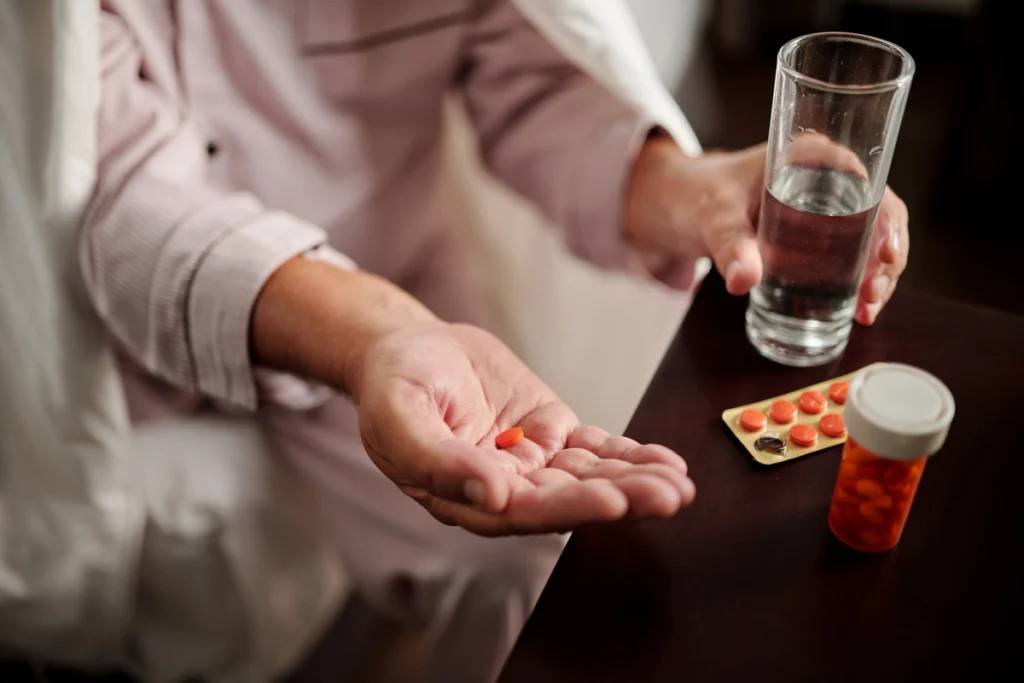
When possible, preserve:
- Prescription bottles and original packaging
- Medication labels and instructions
- Remaining medication, when safely retained
- Lot and batch numbers
- Pharmacy receipts and prescription histories
- Medical records and diagnostic test results
- Hospitalization and treatment documentation
- Communications involving medication recalls
- Records showing when and how the drug was taken
Preserving these materials may help identify the exact medication and establish a timeline of exposure and symptoms.
Do not stop taking prescribed medication without appropriate medical guidance. Abruptly discontinuing certain medications can create additional health risks.
Patients concerned about a recalled medication should follow FDA instructions and consult their healthcare provider or pharmacist.
Reporting Medication Problems to the FDA

Patients and healthcare professionals can report suspected serious medication problems through the FDA’s MedWatch program.
MedWatch collects information about adverse events, product-quality concerns, and other safety issues involving FDA-regulated products.
These reports help regulators identify potential safety signals and determine whether additional investigation is necessary.
However, an adverse-event report does not prove that a medication caused a particular injury.
The FDA evaluates reports alongside other medical, scientific, and regulatory information.
Patients can learn more through the FDA MedWatch program.
What Compensation May Be Available?
When a defective medication causes an injury and legal liability is established, compensation may depend on the severity of the harm and the circumstances of the claim.
Potential damages may include:
- Medical expenses and hospitalization costs
- Lost wages from missed work
- Reduced future earning capacity
- Ongoing treatment and rehabilitation expenses
- Pain and suffering
- Other legally recoverable losses
Serious pharmaceutical injuries may involve long-term medical treatment or lasting effects on daily activities.
Medical documentation and expert evaluation can help establish the nature of the injury, its relationship to the medication, and the extent of the resulting losses.
When Should You Contact a Dangerous Drug Lawyer?
Not every medication side effect or FDA recall supports a pharmaceutical liability claim.
However, legal review may be appropriate when a serious injury occurs and evidence suggests a manufacturing defect, contamination, inadequate warning, or another product safety problem.
A dangerous drug lawyer in South Carolina can review medical records, prescription information, product labeling, and relevant regulatory findings to determine whether further investigation is warranted.
These cases often involve complex medical and scientific questions, making accurate documentation particularly important.
If you believe a prescription or over-the-counter medication caused a serious injury, Hite Law Firm can review your circumstances, explain potential legal options, and help determine whether a dangerous drug lawsuit in South Carolina may be appropriate.
Harmed by a Dangerous Medication? Explore Your Legal Options.
Defective medications and inadequate warnings can cause serious injuries, but establishing liability requires careful investigation. Hite Law Firm can review your circumstances, examine potential product defects, and assess available claims.
Schedule Your Consultation