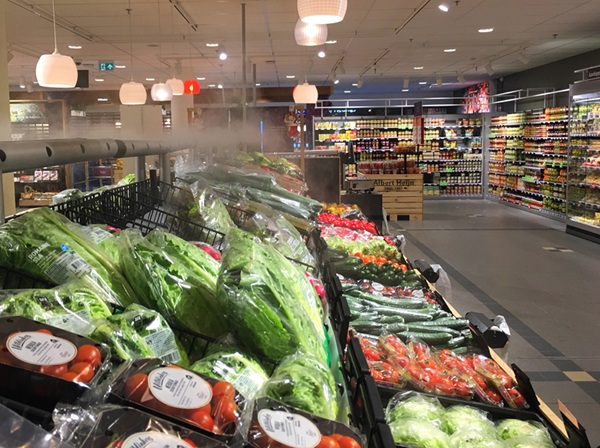



Grocery stores can present slip-and-fall hazards, including spilled liquids, leaking refrigeration equipment, loose produce, and wet entrances. While these conditions can cause serious injuries, a store is not automatically responsible simply because someone falls on its property.
A grocery store slip and fall in South Carolina generally falls under slip and fall law. Determining liability often involves examining how the dangerous condition developed, whether employees knew or should have known about it, and what actions the store took to address it.
Understanding these factors can help injured shoppers recognize what evidence may be important when evaluating a potential claim.
Common Causes of Grocery Store Slip and Fall Accidents
Grocery stores experience constant activity, making floor conditions difficult to predict. Employees restock shelves, customers handle merchandise, and refrigerated equipment operates throughout the day.
Common hazards include:
- Spilled beverages, oils, or other liquids
- Water leaking from refrigerators or freezers
- Loose produce, ice, or food on the floor
- Rainwater tracked through entrances
- Recently mopped floors without adequate warnings
- Loose mats, damaged flooring, or uneven surfaces
- Merchandise or packaging left in walkways
- Condensation near refrigerated displays
The cause of the hazard can affect whether the store may be legally responsible. For example, a refrigerator that has leaked repeatedly may present different liability questions than a beverage spilled by a customer moments before an accident.
When Is a Grocery Store Responsible for a Slip and Fall?
South Carolina premises liability law generally requires more than proof that a dangerous condition existed.
In Wintersteen v. Food Lion, Inc., the South Carolina Supreme Court reaffirmed that when a customer slips on a foreign substance, the injured person generally must establish that the store created the hazard or had actual or constructive notice of it.
Actual Notice
Actual notice means the store knew about the dangerous condition before the accident.
For example, an employee may have observed a spill, received a customer complaint, or documented a leaking refrigeration unit.
If the store failed to address a known hazard within a reasonable time, that information may support a premises liability claim.

Constructive Notice
Constructive notice means the store should reasonably have discovered the dangerous condition, even without direct knowledge of it.
The length of time a hazard existed may be particularly important. A spill that remained on the floor for an extended period could raise different questions than one that appeared seconds before someone fell.
Inspection records, witness statements, and surveillance footage may help establish whether employees had a reasonable opportunity to discover and address the condition.
Does a Wet Floor Sign Prevent a Slip and Fall Claim?
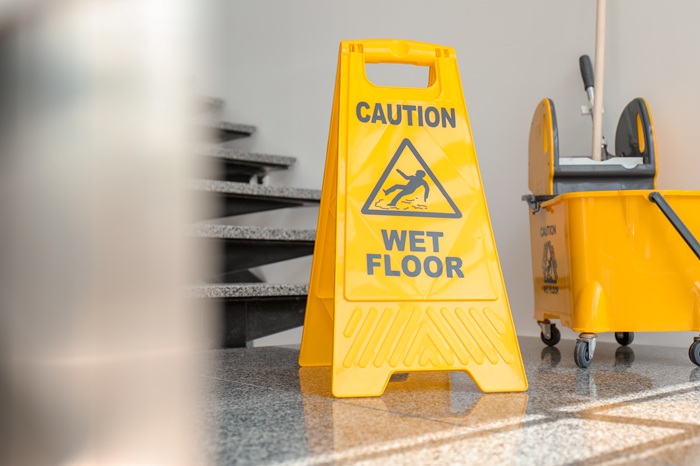
Not necessarily. A warning sign may help demonstrate that a store took precautions, but its presence does not automatically eliminate liability.
The sign’s visibility, placement, and timing can affect whether it provided an adequate warning.
For example, a clearly visible sign near a recently cleaned area may alert customers to a potential hazard. However, a sign hidden behind merchandise or positioned away from the slippery surface may be less effective.
Whether the warning was reasonable depends on the circumstances surrounding the accident.
What to Do After a Slip and Fall in a Grocery Store
Taking appropriate steps after a grocery store accident can protect your health and help preserve information relevant to a potential claim.
Report the Accident

Notify store management as soon as reasonably possible. Explain where the fall occurred and what you observed.
Ask whether an incident report will be prepared and request a copy if available. Record the name of the employee or manager who received your report.
Avoid speculating about how the hazard developed or accepting responsibility before understanding the circumstances.
Photograph the Scene
If you can do so safely, take photographs of the condition that caused your fall.
Capture the affected floor area, nearby displays, lighting, warning signs, and surrounding walkways. Include both close-up images and wider views showing the location.
Photographs taken before the area is cleaned or changed may provide useful evidence about the conditions present during the accident.
Identify Witnesses
Ask anyone who witnessed the fall or noticed the hazard beforehand for their contact information.

Witnesses may provide details about the condition of the floor, whether employees were nearby, or whether someone previously reported the hazard.
Seek Medical Attention
Slip-and-fall accidents can cause fractures, head injuries, back injuries, and other medical problems.
Seek appropriate medical care, particularly if you experience pain, dizziness, swelling, or limited movement.
Explain how the injury occurred and follow recommended treatment instructions. Keep medical bills, treatment records, and documentation of any work missed because of your injuries.
Why Surveillance Footage and Store Records Matter
Surveillance footage can provide important information about the circumstances leading to a grocery store accident.
Video may show when a spill appeared, whether employees walked nearby, whether an inspection occurred, or if warning signs were present before the fall.
This information can help determine whether the store had sufficient time to identify and address the dangerous condition.
Other potentially relevant records include cleaning schedules, inspection logs, maintenance reports, incident reports, and previous complaints involving the same hazard.
For example, maintenance records showing repeated problems with a leaking freezer may help establish that employees were aware of an ongoing issue.
Because surveillance systems may overwrite recordings, requesting preservation of relevant footage promptly can be important.
What If the Store Claims You Were Responsible?
A grocery store or its insurance company may argue that the injured shopper failed to notice an obvious hazard or was not paying attention.
However, the circumstances must be considered, including lighting, floor conditions, warning signs, visibility, and the shopper’s direction of travel.
South Carolina follows modified comparative negligence principles. An injured person’s compensation may be reduced according to their percentage of fault.
Generally, someone found more than 50% responsible for an accident cannot recover damages.
This makes it important to evaluate the available evidence rather than assuming either party was entirely responsible.

What Compensation May Be Available?
Compensation following a grocery store slip and fall depends on whether legal responsibility can be established and the extent of the resulting injuries.
Potential damages may include:
- Medical expenses and rehabilitation costs
- Lost wages from missed work
- Reduced future earning capacity
- Physical pain and suffering
- Future medical treatment
- Other financial losses related to the injury
Serious injuries may require ongoing treatment or affect a person’s ability to work and perform everyday activities.
Medical documentation and financial records can help establish the extent of these losses.
How Long Do You Have to File a Slip and Fall Claim in South Carolina?
South Carolina generally has a three-year statute of limitations for personal injury lawsuits under S.C. Code §§ 15-3-530 and 15-3-535.
However, certain circumstances may involve different deadlines, including claims against governmental entities.
Although the filing deadline may seem distant, waiting can make evidence harder to obtain. Witness memories may fade, surveillance recordings may be deleted, and physical conditions may change.
Seeking information about your legal options early can help avoid unnecessary complications.
When Should You Contact Legal Help for a Slip and Fall?
Not every grocery store accident requires legal representation. However, speaking with an attorney may be helpful when injuries are significant, liability is disputed, or an insurance company questions the claim.
A grocery store slip and fall lawyer can review the circumstances, investigate potential evidence, evaluate whether the store may have been negligent, and explain available legal options.
Establishing liability often depends on showing that the store created the dangerous condition or had sufficient notice to address it before the accident.
If you were injured in a grocery store slip and fall in South Carolina, Hite Law Firm can review your situation, discuss the evidence, and help you understand potential next steps.
Hurt in a Grocery Store Fall? Let Us Review Your Case.
Proving a grocery store's negligence often depends on evidence of a dangerous condition and the store's knowledge of it. Hite Law Firm can investigate the circumstances of your fall and evaluate potential liability.
Schedule Your Consultation