



I-385 connects Greenville with communities throughout Laurens County and carries vehicles at interstate speeds through a mix of urban, suburban, and more rural stretches of the Upstate. When a crash happens on this limited-access highway, moving traffic and high speeds can make the immediate aftermath especially dangerous.
The basic steps after a car accident are similar wherever a crash occurs, but location and safety take on added importance on an interstate. Knowing where to move, how to identify your location, when to call for help, and what information to collect can make the situation easier to manage.
What to Do After a Car Accident on I-385: Immediate Safety Steps
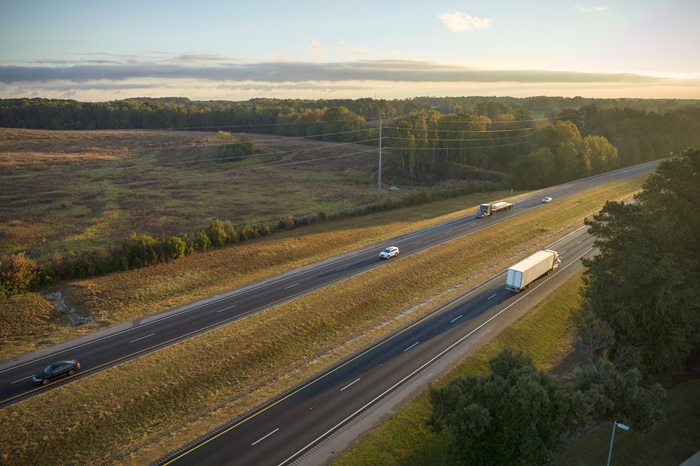
After an accident on I-385, first assess whether anyone needs emergency medical attention. Call 911 if someone is injured, the crash is blocking traffic, a vehicle cannot be moved safely, or there is another immediate hazard.
If the vehicles can be moved safely, getting out of active travel lanes can help reduce the risk of another collision. Move to the shoulder or another safe location when possible, turn on your hazard lights, and follow instructions from responding law enforcement or emergency personnel.
Avoid standing in or near active traffic lanes to inspect damage, exchange information, or take photographs. Depending on where the vehicles come to rest and the conditions around the crash, remaining inside a vehicle with your seatbelt fastened may be safer than standing along the roadway. However, if the vehicle is in an unsafe location or there is another danger, such as fire or smoke, move to a safer location if you can do so without entering traffic.
Because I-385 does not always provide an obvious street address, note the nearest exit, mile marker, interchange, or other identifiable location when calling 911. That information can help emergency responders locate the crash.
Documenting the Scene on a Limited-Access Highway
If it is safe to do so, document the crash scene after moving out of active traffic lanes. Do not remain in a dangerous location or delay moving a vehicle when safety or law enforcement instructions require otherwise simply to take photographs.

Useful information to document can include:
- Damage to each vehicle
- The vehicles’ locations after the crash
- Skid marks, debris, or damaged guardrails when safely visible
- Weather, lighting, and roadway conditions
- The nearest I-385 exit, mile marker, or interchange
- License plates and identifying information for the vehicles involved
- Contact information for anyone who stopped and witnessed the crash
Location can be particularly important after an I-385 accident because there may not be a nearby intersection or street address to identify where the collision occurred. Recording the nearest exit, mile marker, or interchange can help establish the location later.
If a witness stops, ask for their name and contact information when it is safe to do so. You do not need to conduct your own investigation at the scene. Simply preserving a way to contact someone who saw the crash can be useful if questions later arise about how it happened.
When an I-385 Accident Involves a Commercial Truck
Passenger vehicles share I-385 with tractor-trailers and other commercial vehicles. When one of those vehicles is involved in a crash, the size and weight difference between the vehicles can contribute to serious injuries, particularly at interstate speeds.

Commercial truck accidents can also raise issues that are not present in a typical two-car collision. Depending on how the crash occurred, relevant evidence may include the truck driver’s hours-of-service records, vehicle inspection and maintenance records, electronic logging information, and data from onboard systems. Responsibility may also extend beyond the driver in some cases, such as when the trucking company’s own actions contributed to the crash.
Certain collisions involving tractor-trailers also create the risk of underride, which occurs when part of a smaller passenger vehicle travels beneath a truck or trailer during a crash. These collisions can result in severe or fatal injuries because the truck or trailer may strike the passenger compartment above some of the smaller vehicle’s primary crash-protection structures.
If a commercial vehicle is involved in an I-385 accident, identifying the trucking company, truck and trailer license plates, and other visible identifying information can be useful. Take photographs only when it is safe to do so and avoid approaching a commercial vehicle or entering active traffic lanes to collect information.
Seeking Medical Care After a Car Accident, Even If You Feel Fine
Not every car accident injury causes immediate or obvious symptoms. Pain, stiffness, headaches, dizziness, or other symptoms may become noticeable hours or even days after a crash, depending on the type of injury.

If you have pain, neurological symptoms, or other concerning changes after an I-385 accident, seek appropriate medical care rather than assuming the symptoms will resolve on their own. Emergency symptoms such as loss of consciousness, difficulty breathing, severe bleeding, weakness or numbness, confusion, or severe or worsening pain may require immediate medical attention.
Prompt evaluation can help identify injuries and establish a medical record of your symptoms, diagnosis, and treatment after the accident. If symptoms develop later, tell your healthcare provider when the crash occurred, when you first noticed the symptoms, and how they have changed.
Following recommended treatment is also important for your recovery. Medical records documenting your condition and treatment may later become important evidence if you pursue compensation for injuries caused by the crash.
Reporting a Car Accident: What South Carolina Requires
South Carolina has different reporting requirements depending on the circumstances of the accident. Under S.C. Code § 56-5-1260, a driver involved in an accident resulting in injury or death must immediately report the crash to local law enforcement, the county sheriff, or the nearest office of the South Carolina Highway Patrol.
A separate requirement can apply when law enforcement does not investigate the accident. Under S.C. Code § 56-5-1270, the driver of a vehicle involved in an accident resulting in injury, death, or at least $1,000 in apparent total property damage must submit a written report to the South Carolina Department of Motor Vehicles within 15 days when the accident was not investigated by law enforcement.
If an officer responds to an I-385 crash, ask how to obtain the collision report and keep any report or incident number provided at the scene. It can also be helpful to record the responding agency and officer’s name so you know where to request the report later.
Be Careful With Recorded Statements to Insurers
After an accident, an insurance company may ask you to provide a recorded statement about what happened, your injuries, or other details surrounding the crash. Before agreeing, it is important to understand which insurance company is requesting the statement and what obligations may apply.
You generally do not have the same contractual obligations to the other driver’s insurance company that you may have to your own insurer. Your own auto insurance policy may require you to cooperate with the investigation of a claim, which can include providing information or a statement.
Regardless of which insurer contacts you, avoid guessing about details you do not remember or making assumptions about injuries that are still being evaluated. If you are unsure about your obligations or concerned about how to respond to a request for a recorded statement, an attorney can review the circumstances and advise you before you provide one.
Car Accident Claims and Compensation: What Comes Next

Once immediate safety and medical needs have been addressed, a car accident claim may involve gathering medical records, documenting lost income and other losses, reviewing available insurance coverage, investigating fault, and determining the compensation available under the circumstances.
Depending on the injuries and losses involved, compensation may include medical expenses, lost wages or reduced earning capacity, property damage, and noneconomic losses such as pain and suffering. The amount available depends on the facts of the accident, the extent of the injuries, insurance coverage, and other factors specific to the claim.
Accidents involving commercial vehicles can require additional investigation. A truck accident claim may involve the truck driver, trucking company, or another party whose actions contributed to the collision. Records related to the driver, vehicle, and trucking operation may also become important when determining how the crash happened and who may be responsible.
After an I-385 accident, the immediate priorities are safety, medical care, and documenting important information when it is safe to do so. Knowing the nearest exit or mile marker, obtaining information about the vehicles and drivers involved, preserving witness information, and keeping records of medical treatment can all become important if questions about the crash arise later.
If you were injured in a crash on I-385, Hite Law Firm’s Laurens personal injury lawyers can review what happened, explain how South Carolina law may apply, and help you understand your options for pursuing compensation.
Questions About What Happens After an I-385 Crash?
You do not need to know who is legally responsible, what your claim is worth, or which records matter before you call. Hite Law Firm can review what happened, explain your options, and help you understand the next steps after a serious I-385 accident.
Schedule Your Consultation